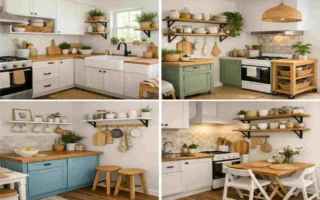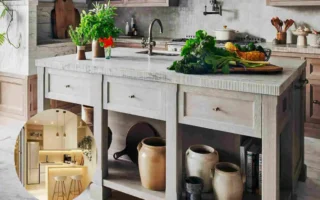

If you want your kitchen to feel brighter, cleaner, and more stylish, kitchen cabinet lighting is one of the smartest upgrades you can make. It may seem like a small detail, but it changes the whole feel of the room. It helps you see better while cooking, adds warmth to the space, and gives cabinets a more finished look.
Many homeowners start looking into kitchen cabinet light design style cost only after they notice how much better a kitchen looks with the right lighting. That is because cabinet lights do more than make things brighter. They add mood, depth, and a more polished design feel.
What Are Kitchen Cabinet Lights?

A simple definition
Kitchen cabinet lights are lights placed under, inside, or around cabinets to improve visibility and style. They can light up countertops, highlight glass cabinets, or add a soft glow to the whole kitchen.
These lights are often small, but they make a big difference. They help you see better in work areas and make the kitchen feel more inviting.
Why cabinet lighting improves kitchen design
A kitchen without cabinet lighting can feel flat or unfinished. The cabinets may look fine on their own, but the room can still feel dark in certain areas.
Lighting changes that right away. It adds layers to the room and helps the cabinets stand out. It also creates a more balanced look, especially when paired with ceiling lights and pendant lights.
Benefits for visibility, ambiance, and home value
Cabinet lights do more than add style. They make it easier to chop food, read labels, and work safely at the counter. That improves daily use.
They also create a softer mood in the evening. Instead of one bright overhead light, you get a warm glow that feels more comfortable. On top of that, well-designed lighting can make the kitchen feel more updated, which may help with home value.
Popular Kitchen Cabinet Light Design Styles
Under-cabinet LED lights
Under-cabinet LED lights are one of the most popular choices today. They sit under the upper cabinets and shine directly onto the counter below.
They’re practical because they brighten the work surface without taking up space. They also look clean and modern, which makes them a favorite in many homes.
Strip and tape lights
Strip lights and tape lights are long, flexible lights that can run along cabinet edges. They are easy to hide, and they create a smooth, even light.
This style works well if you want a soft, continuous glow. It is also a good option for a modern or minimalist kitchen.
Puck lights
Puck lights are small round lights that give focused light in specific spots. They are often used under cabinets or inside display cabinets.
If you want to highlight certain areas rather than light the whole counter, puck lights can be a good choice. They work well for accent lighting.
Recessed cabinet lighting
Recessed lights sit inside a cabinet or tucked into the structure so they are less visible. This gives the kitchen a very neat look.
This style feels more built-in and custom. It is often used in higher-end kitchens or in designs that want a very clean finish.
Warm vs. cool lighting styles
Light color matters as much as the fixture. Warm light feels cozy and soft, while cool light feels cleaner and brighter.
Warm lighting often works well in kitchens that want a relaxed, homey feel. Cool lighting may suit more modern kitchens where the goal is a crisp, bright look.
Modern and minimalist designs
Many people now want simple lighting that blends into the background. That is why modern and minimalist cabinet lights are so popular.
These designs avoid bulky fixtures and focus on clean lines, hidden wiring, and smooth light output. The result feels fresh and uncluttered.
Light StyleBest FeatureBest For
LED strip lights Even, smooth lighting Modern kitchens
Puck lights Spot lighting Accent areas
Recessed lighting Hidden design Custom kitchens
Tape lights Flexible and slim Under-cabinet use
Warm LEDs Cozy glow Family kitchens
Cool LEDs Bright, clean look Work-focused kitchens
How to Choose the Right Cabinet Light Style
Match lights with cabinet color and material
The cabinet finish should help guide your lighting choice. Dark cabinets often need brighter lights to keep the space from feeling heavy. Light cabinets usually work well with softer lighting.
Wood cabinets can look warm and natural with warm white lighting. Glossy or painted cabinets may pair nicely with cleaner, cooler light.
Consider kitchen size and layout.
A small kitchen may need simple, space-saving lights that do not feel bulky. A larger kitchen may benefit from layered lighting with more than one fixture type.
If you have many corners or deep counters, you may need more focused light in certain areas. If your layout is open, even lighting may be the better choice.
Choose brightness and color temperature carefully.
Brightness is measured in lumens, and color temperature is usually measured in Kelvins. You do not need to memorize the technical terms, but you do need to understand the effect.
A softer glow is usually better for mood, while a brighter setting helps with cooking and prep work. Many homeowners choose dimmable lights so they can adjust the room as needed.
Wired vs. battery-powered options
Wired lights connect to the home’s electrical system and usually look more finished. Battery-powered lights are easier to install and can work well in smaller projects.
If you want a long-term solution, wired lights are often the better choice. If you want a quick and affordable update, battery-powered lights may be enough.
Energy-efficient LED choices
LED lights are the most popular option for cabinet lighting because they use less energy and last longer. They also stay cooler than many older light types.
That makes them a smart choice for daily use. If you want style and savings together, LED is usually the best place to start.
A few quick choosing tips
- Pick warm light for a cozy feel
- Pick cool light for a brighter work area
- Use dimmable options if you want flexibility
- Choose hidden fixtures for a clean modern look
- Match the light style to your cabinet design
Kitchen Cabinet Light Cost Guide

Average cost of different lighting types
Kitchen cabinet light design style costs can vary widely depending on the fixture and setup. Simple battery lights cost much less than custom wired systems.
Basic under-cabinet lights may be affordable, while built-in recessed lighting or smart systems cost more. The more custom the look, the higher the price tends to be.
Material and fixture costs
The fixture itself is only one part of the total cost. You also need to think about wiring, switches, connectors, and any mounting hardware.
High-quality materials usually cost more but often last longer and look better. Cheaper lights may save money at first, but they may not hold up as well over time.
Installation and electrician costs
If the lights are wired into your kitchen, you may need an electrician. That adds labor costs, but it can also give you a safer, more polished result.
Battery-powered or plug-in lights cost less to install because they don’t require major electrical work. For many homeowners, this is the easiest way to stay within budget.
DIY vs. professional installation
DIY installation can save money if the lights are simple. Many stick-on LED strips or battery lights are easy enough for homeowners to handle.
But if you want a clean wired look, professional installation may be worth the extra cost. A pro can help avoid wiring mistakes and make the lights look more built-in.
What affects the total cost
The total kitchen cabinet light design style cost depends on several things:
- Type of light fixture
- Number of cabinets being lit
- Wired or wireless setup
- Quality of materials
- Labor and electrician fees
- Smart features or dimmers
How to stay on budget
If you want a stylish look without spending too much, start with the most visible areas. Under-cabinet lighting often gives the biggest visual improvement for the money.
You can also mix options. For example, use wired lighting in the main kitchen area and battery lights in smaller cabinet sections.
Stylish Kitchen Lighting Ideas for Modern Homes

Lighting beneath upper cabinets
This is one of the most useful and popular ideas. It lights the countertop where you prep food, which makes the kitchen more practical and easier to use.
It also helps create a clean, layered look. The cabinets appear to float slightly, which adds style to the kitchen.
Interior cabinet lighting
Interior cabinet lighting is used inside cabinets, especially glass-front or display cabinets. It helps showcase dishes, glassware, or decor.
This adds a softer, more decorative feel to the kitchen. It can also make the room look more upscale.
Glass-door cabinet illumination
If you have glass cabinet doors, lighting inside them can make a big visual difference. The contents become part of the design.
This works especially well when you want to show off beautiful plates, bowls, or collectibles without making the kitchen feel cluttered.
Countertop accent lighting
Accent lighting near counters can highlight special areas in the kitchen. It is not always meant to be the main work light.
Instead, it adds atmosphere. This can help if you want your kitchen to feel warm and stylish in the evening.
Layered kitchen lighting
The best kitchens usually use more than one type of light. Cabinet lights, ceiling lights, task lights, and accent lights can all work together.
This layered approach makes the room more flexible. You can brighten it for cooking or soften it for relaxing.
Smart lighting and dimmers
Smart lights and dimmers are becoming more common in modern homes. They let you change brightness and sometimes even color temperature.
This gives you more control over your kitchen’s mood. They also help save energy when you don’t need full brightness.
Installation, Maintenance, and Energy Savings
Basic installation considerations
Before installing cabinet lights, consider where the power will come from and how you’ll hide the wires. A clean installation looks much better and is safer too.
Also avoid placing lights where they can interfere with cabinet doors or daily use.
Safe placement of electrical components
Install electrical parts carefully and keep them away from moisture. Kitchens can have steam, spills, and heat, so safety matters.
If the setup feels complicated, hiring a professional is often the safest move. That way, the system is done properly from the start.
Cleaning and maintaining cabinet lights
Cabinet lights can collect dust and grease over time. A quick wipe now and then helps keep them bright and clean.
For LED strips and fixtures, gentle cleaning is usually enough. Always turn the lights off before cleaning them.
LED lifespan and energy savings
LEDs are known for lasting a long time and using less electricity than older bulb types. That makes them a smart choice if you want to reduce energy use.
They also produce less heat, which is helpful in a kitchen. Over time, this can make them more economical than other lighting options.
Common mistakes to avoid
- Choosing lights that are too dim
- Using too much brightness in small spaces
- Ignoring cabinet style
- Leaving wires exposed
- Mixing too many lighting colors
- Skipping dimmers when they would help
Avoiding these mistakes can save you time, money, and frustration.
FAQ About Kitchen Cabinet Light Design, Style & Cost
How much does kitchen cabinet lighting cost?
The cost depends on the light type, how many cabinets you want to light, and whether the system is wired or battery-powered. Simple options cost less, while custom setups cost more.
What is the best light style for kitchen cabinets?
LED under-cabinet lights are often the best choice because they are bright, efficient, and flexible. They work well in most modern kitchens.
Are LED cabinet lights worth the cost?
Yes, in most cases. They use less energy, last longer, and give a clean, modern look that fits many kitchens.
Should kitchen cabinet lights be warm or cool?
Warm light feels softer and cozier, while cool light feels brighter and more focused. The best choice depends on the mood you want in your kitchen.
Can I install cabinet lights myself?
Yes, if you are using simple battery-powered or plug-in lights. Hardwired lighting is more complicated and may need a professional.
How long do kitchen cabinet lights last?
LED cabinet lights can last for many years, especially if you use them properly and clean them regularly.
What is the most affordable cabinet lighting option?
Battery-powered LED lights are often the cheapest and easiest option. They work well for small upgrades and quick improvements.
| Cabinet Light Type | Design Style | Best For | Approx. Cost |
|---|---|---|---|
| LED Strip Lights | Modern & sleek | Under cabinets | $10–$30 |
| Puck Lights | Minimal & focused | Glass or open cabinets | $15–$40 |
| Recessed Lights | Clean & built-in | Luxury kitchens | $30–$80 |
| Pendant Cabinet Lights | Decorative | Kitchen islands | $40–$150 |
| Motion-Sensor Lights | Smart & convenient | Drawers & cabinets | $20–$60 |
| Color-Changing LEDs | Trendy & creative | Modern kitchens | $20–$70 |
| Warm White LEDs | Cozy & elegant | Traditional kitchens | $15–$50 |