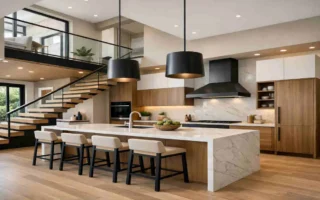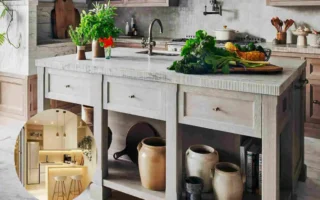
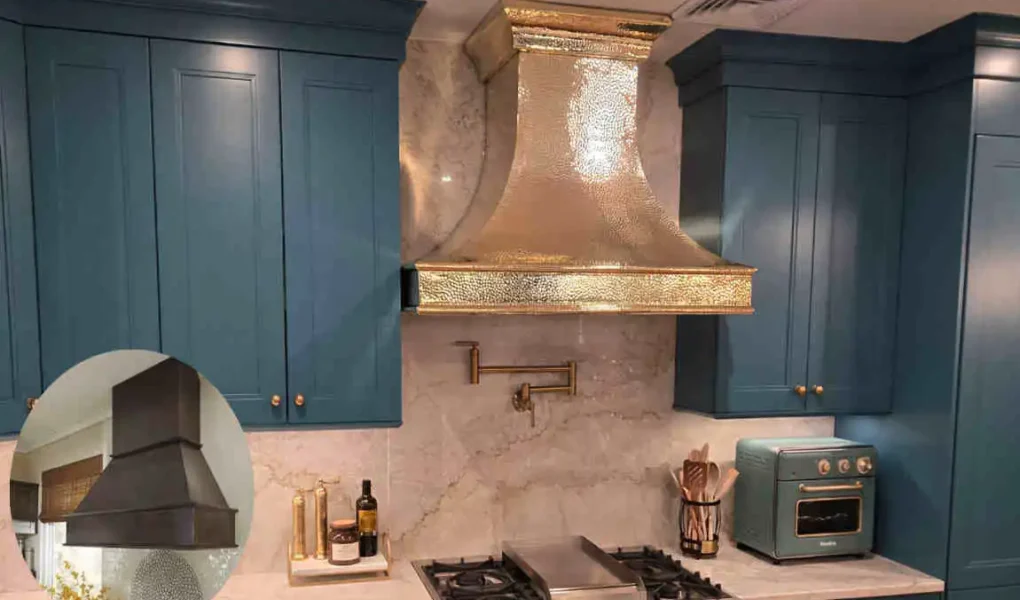
A well-designed kitchen hood can become one of the most attractive features in a kitchen. When you combine a practical ventilation system with natural wood, you get a feature that feels warm, stylish, and timeless. That is why kitchen hood design wood ideas keep attracting homeowners who want something different from a standard stainless-steel hood.
Wood can soften the appearance of modern kitchens and add character to simple cabinetry. Depending on the shape, finish, and wood species, a wooden hood can look modern, farmhouse-inspired, traditional, or minimalist.
What Is a Wood Kitchen Hood Design?
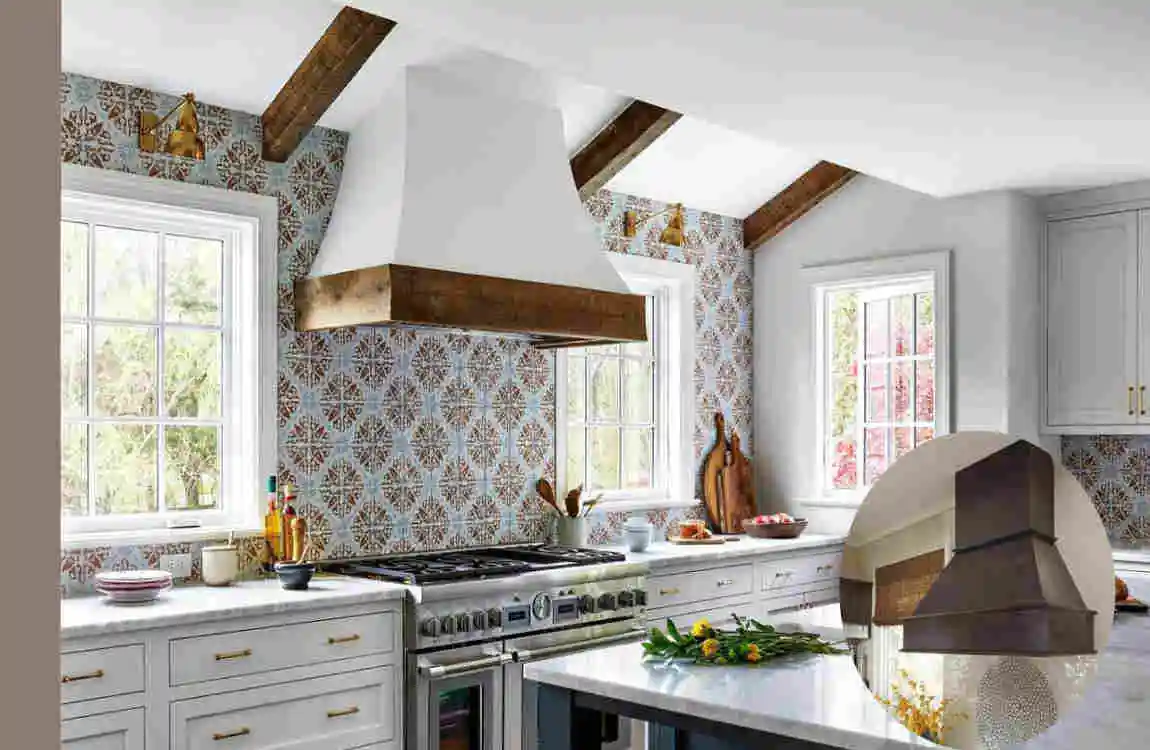
A wood kitchen hood is usually a decorative exterior enclosure built around a kitchen ventilation hood. The internal ventilation equipment handles smoke, steam, odors, and grease, while the wood exterior creates the desired architectural appearance.
This approach gives homeowners much more design freedom than choosing a standard exposed metal hood.
Why Wooden Range Hoods Are Popular
Wood brings a natural quality into the kitchen. It can make white cabinets feel warmer, balance stone surfaces, and create a strong visual focal point above the cooking area.
A wooden hood can also be customized to match cabinet doors, flooring, shelving, beams, or other architectural details.
Modern Wood Hood Styles
Today’s designs range from very simple box shapes to curved, arched, and sculptural forms. Some homeowners prefer a smooth painted finish, while others want to show the natural grain of oak or walnut.
The right choice depends on your kitchen’s overall style.
Popular Kitchen Hood Design Wood Styles
Modern Wood Range Hood
A modern wood range hood usually features clean lines, smooth surfaces, and minimal decoration.
Flat panels and simple geometric shapes work especially well in contemporary kitchens. Natural oak, walnut, and light stained wood can add warmth without making the room feel overly traditional.
Custom Wooden Hood
A custom hood allows you to create a design that fits your kitchen precisely. You can build the hood to coordinate with surrounding cabinets, ceiling height, backsplash materials, and cooking equipment.
Matching the hood with cabinetry creates a cohesive look and makes it feel like part of the original architecture.
Farmhouse Wood Hood
Farmhouse kitchens often benefit from a more substantial wooden hood. Natural finishes, simple trim, and slightly rustic surfaces can create a comfortable country-inspired appearance.
Pair the hood with shaker cabinets, exposed shelves, natural stone, or traditional hardware.
Minimalist Wood Hood
A minimalist wooden hood uses simple shapes and limited decoration. It can be particularly effective in smaller kitchens where too many architectural details may make the room feel crowded.
A smooth wood or painted surface can provide warmth while maintaining a clean appearance.
Best Wood Types for Kitchen Hood Designs
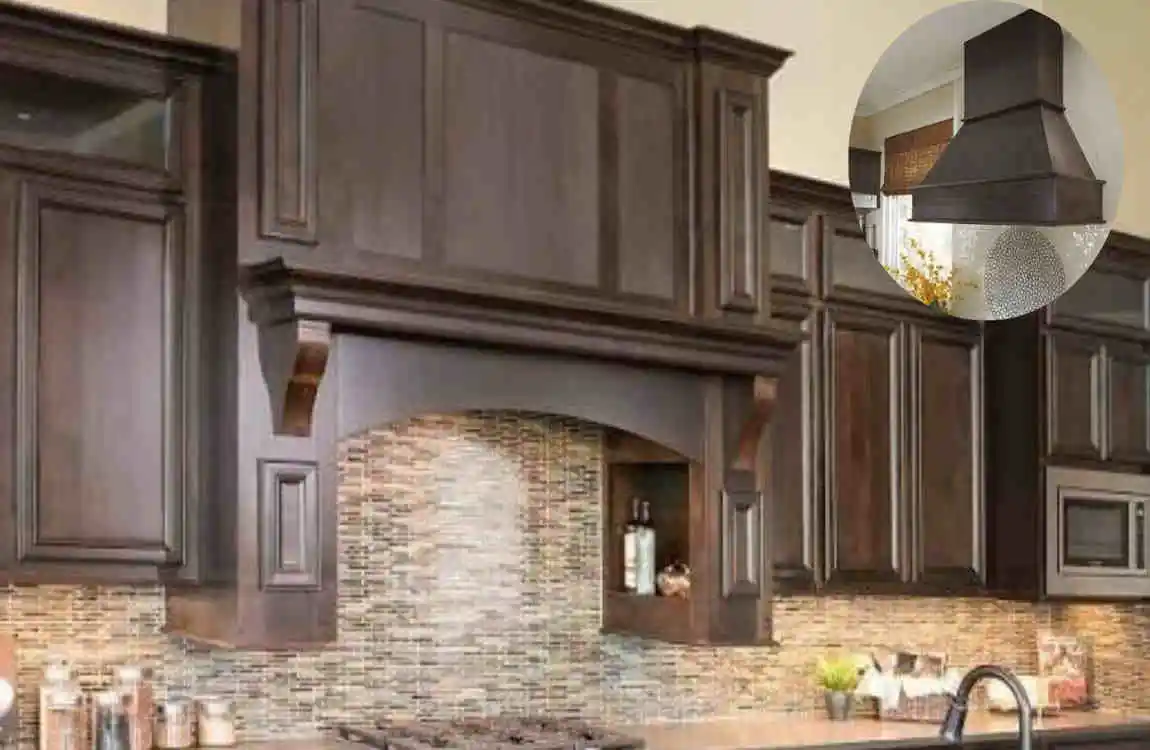
The right wood affects your hood’s color, grain, durability, and overall cost.
Oak Wood
Oak is a popular option because it has a noticeable grain and works with many interior styles. You can stain it in lighter or darker shades, depending on the desired look.
Walnut Wood
Walnut provides a naturally deep and sophisticated appearance. It works particularly well in modern kitchens where darker wood is used as an accent.
Maple Wood
Maple has a relatively light appearance and a subtle grain. It can create a clean, bright look and can also be painted.
Cherry Wood
Cherry has warm reddish-brown tones that can suit traditional or transitional kitchens. Its naturally rich appearance makes it useful when you want the hood to become a major feature.
Reclaimed Wood
Reclaimed wood can provide unique texture and rustic character. Each piece may have different markings, colors, and imperfections, making every hood visually distinctive.
Painted or Stained Wood
Painting gives you almost unlimited color options, while staining keeps the natural grain visible.
When selecting wood, consider durability, heat exposure, moisture, cleaning requirements, appearance, and budget rather than choosing solely by color.
How to Match a Wooden Hood With Kitchen Design
The hood should complement the surrounding kitchen rather than appear disconnected from it.
Wood Hood With White Cabinets
White cabinetry provides an excellent background for a wooden hood. Natural oak or walnut can add warmth and prevent an all-white kitchen from feeling too cold.
For a softer look, choose a light wood finish. For stronger contrast, use a darker wood.
Wood Hood With Dark Cabinets
Dark cabinets can create a dramatic kitchen, but adding wood carefully can prevent the space from feeling too heavy.
A medium or warm wood finish can introduce natural contrast and create visual balance.
Wood Hood With Two-Tone Cabinets
Two-tone kitchens offer another opportunity to use wood. For example, you can pair a painted lower cabinet color with lighter upper cabinets and a natural wood hood.
The hood can bridge the different cabinet finishes.
Wood Hood With Open Shelving
Open wooden shelves can repeat the same material used on the hood. This creates continuity and makes the kitchen feel intentionally designed.
You do not need to match every wood surface perfectly. Similar undertones and finishes are often enough to create harmony.
Wood Hood With Marble or Stone Backsplash
Stone and wood create a natural contrast. A marble backsplash can provide a refined background for a simple wood hood. At the same time, limestone or other natural stone can create a more rustic appearance.
Keep competing textures under control so the kitchen stays visually balanced.
Kitchen Hood Design Wood: Benefits and Considerations
A wooden hood offers several design advantages, but it also requires thoughtful planning.
Warm and Natural Appearance
Wood immediately introduces texture and warmth. Even a simple hood can become a strong architectural element because the natural grain adds visual interest.
Customization Options
One of the biggest advantages is flexibility. You can customize the shape, dimensions, trim, color, finish, and decorative details.
This makes wood suitable for everything from modern kitchens to traditional farmhouse spaces.
Maintenance Requirements
Wood requires more thoughtful care than some metal surfaces. Don’t let grease and cooking residue build up.
Use gentle cleaning methods appropriate for the specific finish and avoid excessive moisture.
Heat, Moisture, and Grease
A decorative wooden hood should be properly designed around the actual ventilation equipment. Do not place wood close to a heat source without considering safe construction requirements.
The internal hood must provide effective ventilation, while the decorative enclosure should be appropriately constructed and installed.
Always follow the manufacturer’s clearance requirements and applicable building and fire-safety rules, particularly when using a gas cooktop or range.
Modern Wood Kitchen Hood Ideas and Design Tips
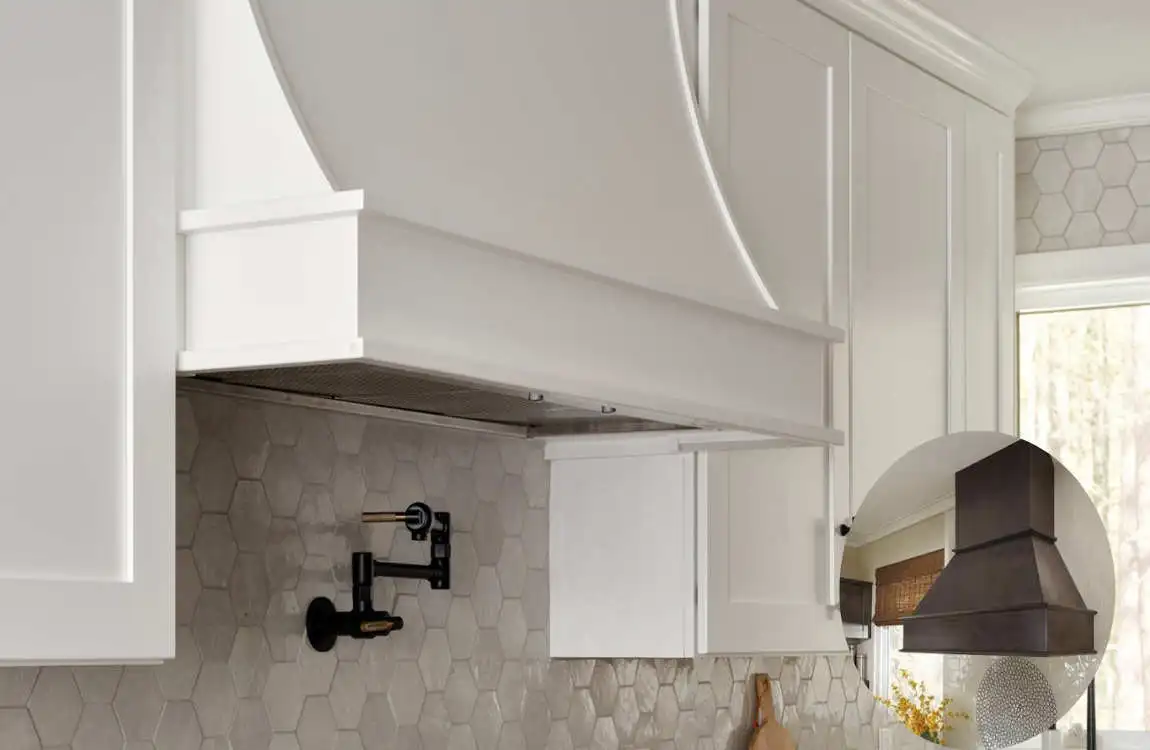
Modern kitchen hood designs offer plenty of creative possibilities.
Slatted Wood Hood Designs
Vertical or horizontal wood slats can add texture without requiring elaborate decoration.
This style works particularly well with contemporary kitchens and can be repeated on an island, wall panel, or open shelving.
Arched Wooden Range Hoods
An arched hood introduces a softer architectural shape. It can work beautifully in traditional, Mediterranean, European, and transitional kitchens.
The curved form can also make a large hood feel less visually rigid.
Box-Style Wood Hoods
A simple box hood is one of the easiest designs to integrate into a modern kitchen.
Its clean shape lets the wood finish become the main decorative feature, rather than relying on complicated trim.
Curved and Sculptural Designs
For homeowners who want the hood to become a centerpiece, curved or sculptural designs can create a strong visual statement.
These designs should be carefully proportioned to the kitchen so they enhance the room rather than dominate it.
Wood and Metal Combinations
Wood does not have to be used alone. Metal trim, hardware, or a visible metal ventilation component can provide contrast.
The combination can create an attractive balance between natural warmth and modern character.
Choose the Right Hood Size
Proportion matters. A hood that is too small may look lost above the cooking surface, while an oversized hood can overwhelm a compact kitchen.
Consider the cooking equipment, cabinet arrangement, ceiling height, and overall kitchen dimensions before finalizing the design.
Plan Ventilation and Lighting
Ventilation performance should never come before decorative appearance.
Plan the ventilation system early and leave appropriate space for ducts, electrical components, filters, and maintenance access. Integrated lighting can also make the hood more functional while highlighting its architectural shape.
FAQ
How Much Does a Wood Kitchen Hood Cost?
There is no single price for a wooden kitchen hood. Cost depends on the wood species, hood size, design complexity, finish, ventilation equipment, installation, and custom carpentry.
A simple painted box design generally requires less work than a large custom hood with curved surfaces, decorative trim, premium wood, and complex installation.
How Do You Clean a Wooden Kitchen Hood?
Regular maintenance is important because kitchen grease can gradually affect the finish.
Dust and wipe the surface regularly using an appropriate gentle cleaning method. Avoid soaking the wood and avoid harsh products that may damage the finish.
Match the cleaning method to the manufacturer’s recommendations for the wood finish.
Is Wood Safe for a Kitchen Range Hood?
Wood can be used as a decorative hood material when the entire installation is properly designed and constructed.
The important point is that wood should not be treated as a substitute for proper ventilation equipment or safe clearances. Follow the range, cooktop, hood, and local safety requirements.
What Is the Best Wood for a Kitchen Hood?
Oak, walnut, maple, cherry, and reclaimed wood can all work well. The best choice depends on your preferred appearance, finish, durability requirements, and budget.
Are Wood Range Hoods Still Popular?
Yes. Wooden hoods remain a popular design choice because they add warmth and can be customized to suit many kitchen styles.
Can a Wood Hood Be Used With a Gas Stove?
A decorative wood hood can be used with a gas stove if the complete installation meets required safety clearances, ventilation specifications, and applicable codes.
Always follow the manufacturer’s installation instructions and consult a qualified professional when needed.
How Do You Maintain a Wooden Range Hood?
Keep the surface clean, remove grease promptly, avoid excessive moisture, and use cleaning products suitable for the finish. Regular maintenance helps preserve the wood’s appearance.
What Kitchen Styles Work Best With Wood Hoods?
Wood hoods can work with modern, farmhouse, transitional, traditional, Mediterranean, European, and minimalist kitchens. The hood’s shape and finish determine which style it best supports.
| Design | Key Feature | Best For |
|---|---|---|
| Natural Oak Hood | Warm wood grain and simple shape | Modern kitchens |
| Walnut Hood | Rich, dark wood finish | Luxury interiors |
| White Oak Hood | Light and clean appearance | Minimalist kitchens |
| Shaker-Style Hood | Classic framed details | Transitional homes |
| Slatted Wood Hood | Vertical wood strips for texture | Contemporary spaces |
| Arched Wood Hood | Soft, curved profile | Elegant kitchens |
| Flat-Panel Hood | Sleek and simple design | Small modern kitchens |
| Wood + Metal Hood | Combines wood with metal accents | Industrial kitchens |
| Painted Wood Hood | Custom color with wood construction | Personalized designs |