A well-designed kitchen cabinet system can completely change how a kitchen looks and works. Veronika’s kitchen cabinet is a useful design concept to explore because it combines a clean appearance, practical storage, and everyday convenience.
Kitchen cabinets are not simply boxes for storing dishes. They influence how easily you prepare meals, where you keep appliances, how much counter space you have, and how organised the entire room feels.
Key Features of Veronika’s Kitchen Cabinet
A smart cabinet system usually combines storage features with an easy-to-use layout.
Smart Storage Solutions
Deep cabinets can hold many items, but they can also be hard to organise. Pull-out drawers solve this problem by bringing stored items forward.
Pull-out organisers work especially well for pots, pans, cleaning supplies, and pantry products.
Drawer dividers can separate utensils and prevent small items from becoming mixed together.
Hidden storage can also keep the kitchen visually clean. You can store small appliances, trays, and other items behind cabinet doors instead of leaving them on the counter.
Functional Cabinet Placement
Cabinet placement should work together with the main kitchen appliances.
For example, store plates and glasses near the dishwasher or sink. Pots and pans are more convenient near the cooking area.
This simple approach reduces unnecessary movement.
The traditional work triangle between the sink, refrigerator, and cooking area can also help create an efficient layout. Modern kitchens do not always follow the triangle perfectly. Still, the basic principle remains useful: important work areas should be easy to move between.
Modern Design Details
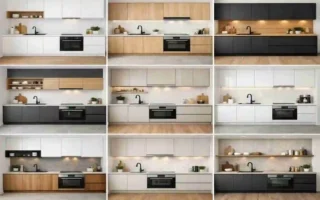
Clean cabinet lines can make a kitchen feel larger and more organised.
Simple hardware, flat surfaces, and carefully selected finishes can create a contemporary appearance.
You can also combine open and closed storage. Closed cabinets hide clutter, while a few open shelves can display attractive dishes, plants, or decorative objects.
The key is moderation. Too much open shelving can make a kitchen look busy.
Best Materials and Finishes for Kitchen Cabinets
Choosing the right cabinet material is just as important as choosing the design.
Your kitchen experiences moisture, heat, cooking grease, spills, and frequent cleaning. Cabinets need to handle these conditions while maintaining their appearance.
Popular Cabinet Materials
Solid wood remains popular because it is durable and has a natural look. Different wood species can create very different looks, from traditional to contemporary.
Plywood is another strong option. It is commonly used for cabinet boxes because its layered construction provides good strength.
MDF, or medium-density fiberboard, offers a smooth surface that works well with painted finishes. It’s a practical choice when you want clean, consistent cabinet fronts.
Laminate provides another option for homeowners who want easy-care surfaces and a wide range of colours and patterns.
The best choice depends on your budget, kitchen conditions, desired appearance, and expected lifespan.
Choosing the Right Finish
Cabinet finish affects both appearance and maintenance.
A matte finish provides a soft, understated look and works well in modern kitchens.
A glossy finish reflects more light and may make a small kitchen feel brighter. However, fingerprints and marks can sometimes be more noticeable.
Neutral colours such as white, cream, grey, beige, and natural wood remain versatile because they pair well with many countertop and backsplash choices.
Durability and Maintenance
Choose kitchen cabinets with daily use in mind.
Look for materials that can handle moisture and regular cleaning. Avoid allowing water to sit around cabinet edges, sink areas, or joints.
Routine cleaning is usually simple. A soft cloth and suitable mild cleaner can remove everyday dust and food residue.
Always follow the care instructions recommended for the particular cabinet finish.
Smart Design Ideas Inspired by Veronika’s Kitchen Cabinet
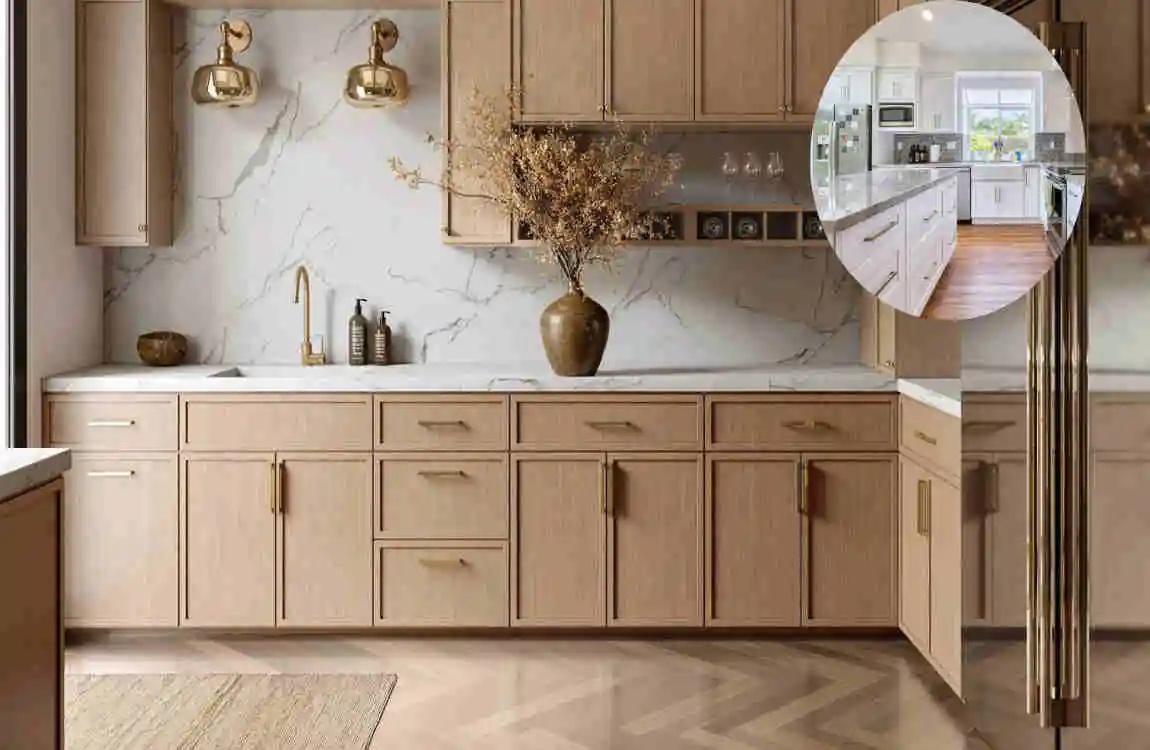
The most useful lesson from a thoughtful cabinet design is learning how to make limited space work harder.
Maximise Vertical Space
One of the easiest ways to increase storage is to use the room’s height.
Tall cabinets can provide valuable space for pantry items, appliances, serving pieces, and other supplies.
Overhead cabinets can also use areas that might otherwise remain empty.
If your kitchen has high ceilings, carefully planned cabinets can reduce unused wall space and create a more finished look.
However, avoid putting everyday items so high that they become difficult to reach. Keep frequently used products at comfortable heights and reserve upper areas for items you use less often.
Create an Organised Kitchen
Organisation begins inside the cabinets.
Drawer dividers can create separate spaces for forks, spoons, knives, and cooking tools.
Spice organisers can keep small containers visible and easy to access.
Corner cabinets can be challenging, but rotating shelves, pull-out systems, and specially designed drawers can make these areas more useful.
A good organisation system should match your habits. If you cook frequently, keep cooking tools close to the preparation area. If you entertain often, create easy access to storage for serving dishes and glasses.
Combine Style With Function
Your cabinets should work with the rest of the kitchen rather than appearing as a separate element.
Coordinate cabinet colours with the countertop and backsplash for a unified appearance.
Lighting can also highlight cabinetry. Under-cabinet lighting can make food preparation easier while adding warmth to the room.
For a modern look, pair simple cabinet fronts with subtle hardware and a clean backsplash.
For a more traditional kitchen, detailed doors, classic handles, and natural wood can create a warmer atmosphere.
How to Plan Your Own Kitchen Cabinet Layout
Before ordering cabinets, take time to understand your kitchen.
Good planning can prevent expensive mistakes later.
Measure the Kitchen
Start by measuring the walls carefully.
Record:
- Wall lengths and ceiling height
- Doors and windows
- Sink and plumbing locations
- Electrical outlets
- Existing appliances
- Heating or ventilation features
Even a small measurement error can create problems during installation.
Also consider how cabinet doors and drawers will open. Make sure nearby cabinets or appliances do not block one another.
Select the Right Cabinet Style
Cabinet doors strongly influence the kitchen’s overall appearance.
Shaker cabinets have simple frames and clean proportions. They can work in traditional, transitional, and modern kitchens.
Flat-panel cabinets have a smooth, minimal appearance and are often associated with contemporary design.
Traditional cabinet styles may include more decorative profiles, raised panels, and detailed moulding.
A transitional approach combines classic details with simpler modern elements.
Choose a style that fits both your home and your personal taste.
Set a Practical Budget
Cabinet costs depend on several factors.
Material quality, cabinet construction, size, finish, hardware, accessories, delivery, and installation can all affect the final cost.
Do not spend your entire budget on cabinet fronts while ignoring the interior features that make cabinets useful.
It is often better to invest in strong construction and practical storage accessories than in unnecessary decorative details.
Also consider long-term value. A well-designed cabinet system should remain useful for many years.
Common Kitchen Cabinet Mistakes to Avoid
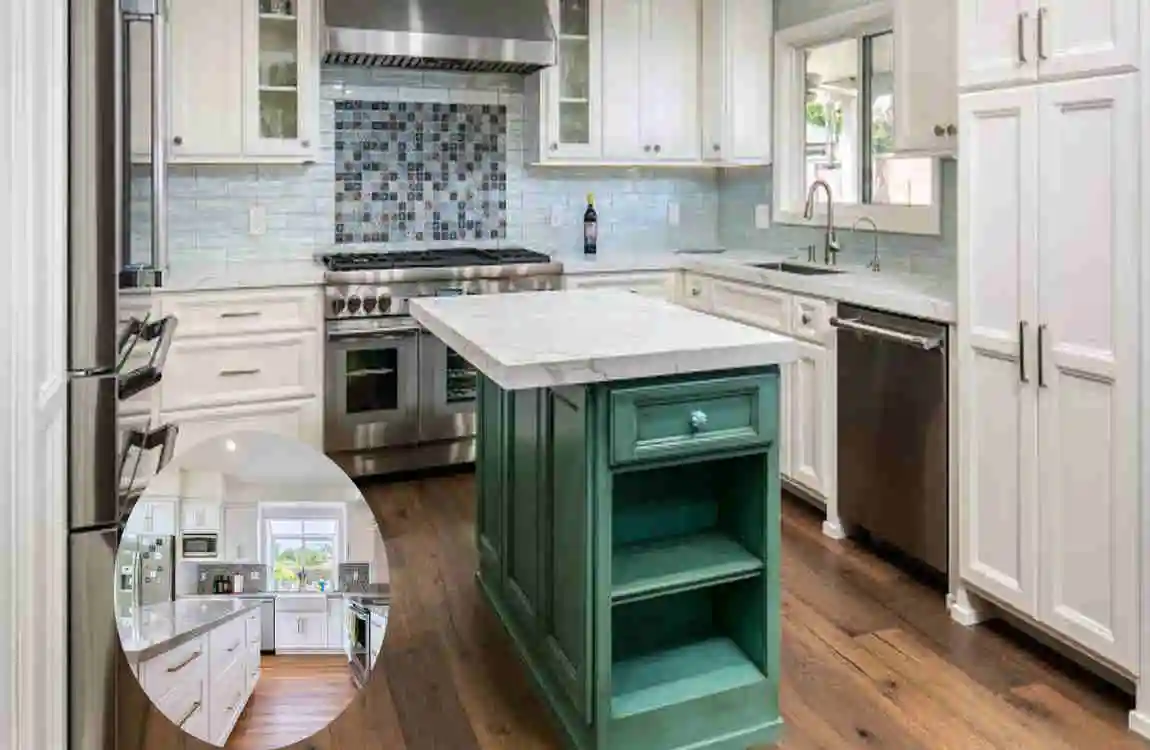
Even attractive kitchens can have cabinet problems when planning is rushed.
Choosing Style Over Functionality
A cabinet may look beautiful but still be difficult to use.
Always consider how doors open, how deep drawers are, and where you will store everyday items.
Poor Measurements
Incorrect measurements can cause serious installation problems.
Measure more than once and account for doors, windows, appliances, outlets, and plumbing.
Not Planning Enough Storage
Many homeowners underestimate how much kitchen storage they actually need.
Think about your current belongings and future needs. If you regularly buy groceries in bulk or own many cooking appliances, plan accordingly.
Ignoring Corner Spaces
Corner cabinets can become wasted space if they aren’t planned properly.
Use appropriate corner storage systems to make these difficult areas more accessible.
Selecting Unsuitable Materials
Cheap or poorly suited materials may not perform well in areas exposed to moisture and heavy use.
Consider durability rather than choosing only based on appearance.
Forgetting Lighting and Electrical Needs
Modern kitchens often include small appliances, task lighting, charging areas, and other electrical requirements.
Plan outlets and lighting before installation rather than trying to add them later.
Overcrowding the Kitchen
More cabinets are not always better.
Too many cabinets can make a kitchen feel closed in. Leave enough visual space and comfortable working areas.
The goal is useful storage without sacrificing movement and openness.
Frequently Asked Questions
What is Veronika’s kitchen cabinet?
Veronika’s kitchen cabinet is a smart kitchen cabinet design concept focused on organised storage, practical placement, a modern appearance, and efficient everyday use.
What cabinet style works best for a modern kitchen?
Flat-panel and Shaker cabinets are popular choices. Flat-panel designs offer a clean look, while Shaker cabinets provide simple detailing that works across several design styles.
How can I make kitchen cabinets more functional?
Use deep drawers, pull-out organisers, drawer dividers, tall cabinets, corner storage, and dedicated spaces for frequently used items. Good placement matters as much as cabinet quantity.
What is the best material for kitchen cabinets?
No single material is best for every kitchen. Solid wood offers natural character and durability, plywood provides strong construction, MDF works well for smooth, painted surfaces, and laminate offers practical maintenance and design flexibility.
How can I maximise small kitchen cabinet storage?
Use the available vertical space with tall cabinets and overhead storage. Pull-out organisers, corner solutions, drawer dividers, and multifunctional drawers can also help you use limited space efficiently.
How much should I budget for kitchen cabinets?
There is no universal price because costs vary by kitchen size, material, cabinet construction, finish, hardware, accessories, and installation. Create a complete budget that includes both cabinets and installation.
Are modern kitchen cabinets easy to maintain?
Yes, many modern cabinet finishes are relatively easy to maintain. Regular dusting, quick spill cleanup, and appropriate cleaning products can help protect the finish. Control moisture, especially around sinks and dishwashers.
| Design Idea | Key Feature | Benefit |
|---|---|---|
| Modern Cabinets | Clean lines and simple finishes | Creates a fresh, stylish look |
| Two-Tone Cabinets | Mix of light and dark colors | Adds visual interest |
| Tall Cabinets | Extends storage toward the ceiling | Maximizes storage space |
| Open Shelving | Easy-access display shelves | Keeps everyday items within reach |
| Glass-Front Doors | Transparent cabinet panels | Makes the kitchen feel more open |
| Pull-Out Storage | Sliding drawers and organizers | Makes narrow spaces useful |
| Under-Cabinet Lighting | LED lights beneath cabinets | Improves workspace visibility |
| Smart Corner Storage | Lazy Susans or corner drawers | Reduces wasted cabinet space |