
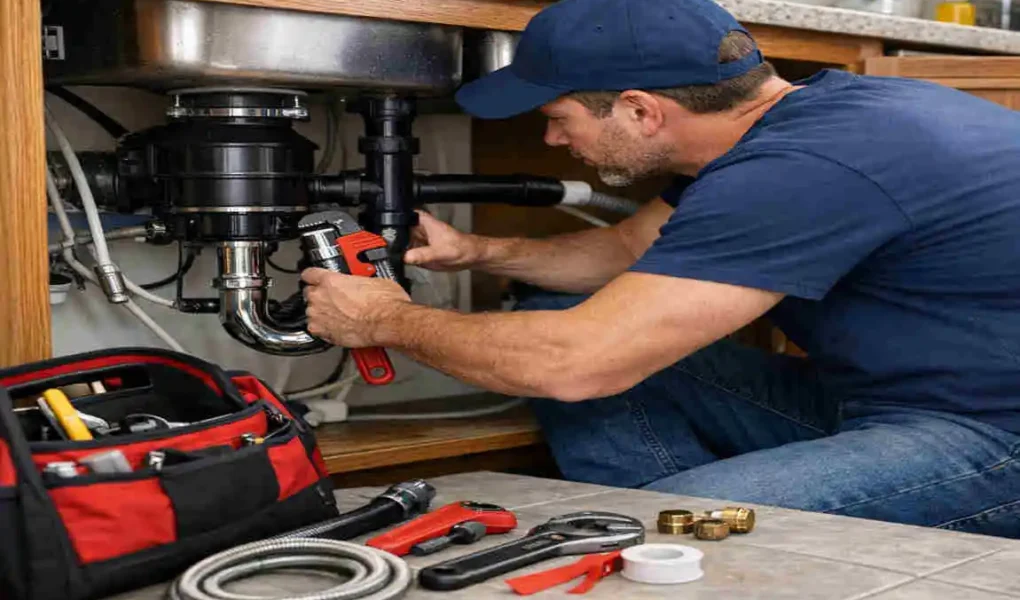
Kitchen plumbing in San Antonio, TX covers all the water and drainage components that keep your kitchen running properly every day. That includes the sink, faucet, supply lines, drainpipes, garbage disposal, dishwasher connections, and shut-off valves.
When these parts work well, your kitchen stays clean, useful, and comfortable. When they fail, even a small problem can turn into a messy and expensive one. A dripping faucet may waste water. A clogged drain may stop your sink from draining. A hidden leak may damage cabinets before you even notice it.
For San Antonio homeowners, reliable kitchen plumbing matters even more because daily use puts constant pressure on pipes and fixtures. Hot weather, hard water, and heavy cooking habits can all add wear over time. If you want your kitchen to stay safe and functional, you need to watch for early warning signs and handle problems quickly.
Common Kitchen Plumbing Problems in San Antonio Homes
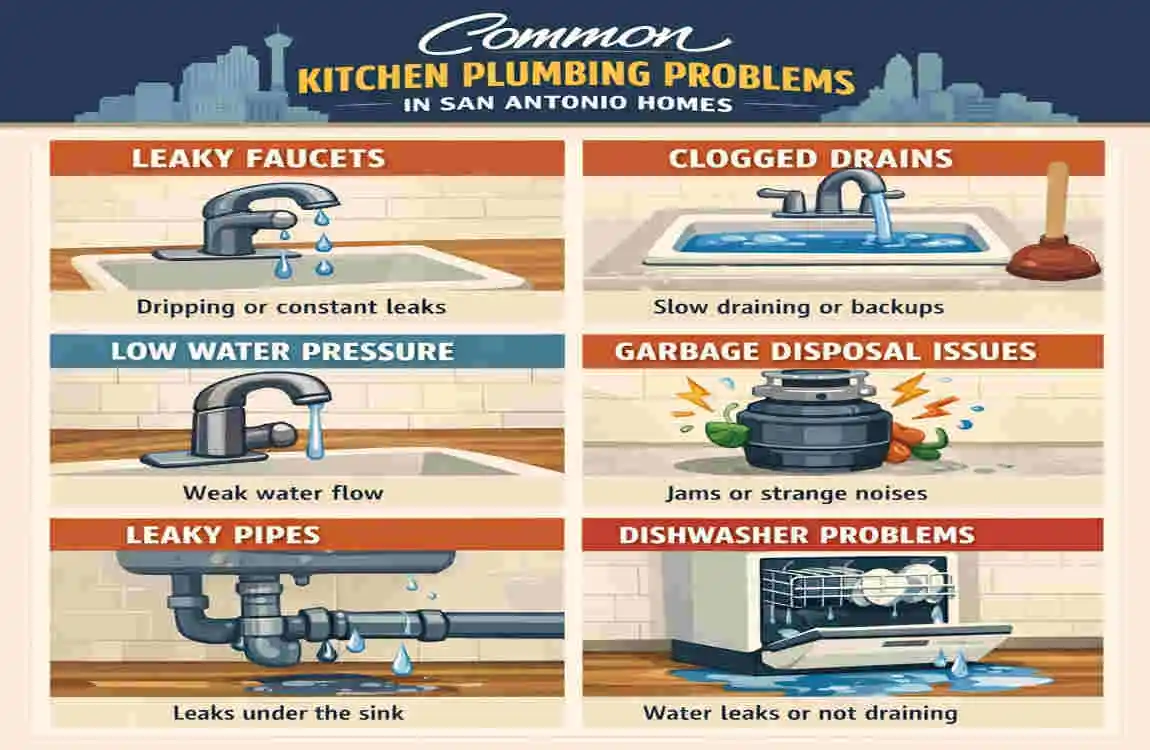
Kitchen plumbing problems often start small. A slight drip, a slow drain, or a strange smell may not seem serious at first. But those small signs often point to a bigger issue under the sink or inside the drain system.
Leaking Kitchen Faucets
A leaking faucet is one of the most common kitchen problems. It usually happens because of worn washers, loose parts, damaged cartridges, or internal wear from daily use.
You may notice constant dripping, water around the base of the faucet, or a handle that no longer works smoothly. Sometimes the issue is simple and only needs a repair. In other cases, especially with older fixtures, replacement may be the better choice.
If the faucet is newer and the damage is minor, repair often makes sense. If it leaks often, feels loose, or has a damaged finish, replacing it may save more time and money in the long run.
Clogged Kitchen Sinks
Kitchen sinks clog easily because they handle food scraps, grease, soap, and small bits of buildup every day. Even when you try to be careful, debris can slowly collect inside the drain.
A clog often starts with slow draining. Then you may hear gurgling, smell bad odours, or notice water sitting in the sink longer than usual. If the clog keeps returning, that may mean the problem is deeper in the drain line.
Grease is one of the biggest causes of sink clogs. It may go down the drain as a liquid, but it cools and hardens inside the pipe. Food particles and soap can then stick to it, worsening the blockage.
Leaking Pipes and Supply Lines
Leaks under the sink are easy to miss because they often happen inside cabinets or behind stored items. But even a small leak can do real damage over time.
Look for damp cabinet bottoms, soft wood, water stains, corrosion, or a musty smell. These are common signs that a supply line or pipe joint may be failing.
If you often see moisture, do not ignore it. A hidden leak can damage the cabinet structure, cause mould, and raise your water bill too.
Garbage Disposal Problems
A garbage disposal helps manage food waste, but it can also cause trouble when it jams, leaks, or stops working.
Common disposal problems include:
- Jams or blockages
- A motor that will not turn on
- Leaks from the bottom or side
- Strange grinding noises
- Bad odours from buildup
Some basic checks are safe, like making sure the unit is powered and not overloaded. But if the disposal leaks, hums without moving, or keeps tripping the reset button, it is usually time for a professional.
Dishwasher Plumbing Issues
Dishwashers connect to the kitchen plumbing system, so a problem in one area can affect another. If the dishwasher leaks or drains badly, the issue may involve the supply line, drain hose, or connection under the sink.
You may see water near the base of the dishwasher, water backing up into the sink, or dirty water left in the bottom of the machine. These signs often mean the plumbing line needs attention.
Because dishwasher plumbing sits in a tight space, repairs can be harder than they first appear.
Kitchen Plumbing Repair Costs in San Antonio, TX
Kitchen plumbing repair costs can vary a lot. The final price depends on the problem, the fixture type, the damage, the labour required, and how easy it is to access the part that needs repair.
A simple fix may be affordable. A larger repair involving hidden pipes, damaged cabinets, or emergency work will usually cost more.
Repair vs. Replacement
Sometimes repair is the best option. Other times, replacement makes more sense.
For example, a faucet with one worn part may be easy to fix. But if the faucet is old, corroded, or leaking in several places, a replacement may be cheaper over time.
The same idea applies to drains and supply lines. If the same line keeps failing, replacing it may be more practical than patching it repeatedly.
Permit-Related Costs
Some plumbing work may also involve local permit requirements. In San Antonio, permit fees can vary by the type of work being done, so homeowners should not assume every kitchen plumbing job follows the same rules.
It is always better to check the current City of San Antonio requirements before starting larger plumbing work. That way, you avoid delays, unexpected costs, or inspection issues later.
DIY Kitchen Plumbing vs. Hiring a Professional
Not every kitchen plumbing issue needs a full repair crew. Some small tasks are safe for homeowners to handle. But many jobs are better left to a trained plumber.
Simple Tasks Homeowners May Handle
You may be able to handle a few basic maintenance tasks yourself if the problem is small and easy to reach.
These include:
- Cleaning a faucet aerator
- Replacing a basic faucet washer
- Tightening an accessible connection
- Cleaning a sink strainer
- Using simple drain maintenance habits
These jobs are usually low risk when done carefully. Still, if anything feels unclear, stop and get help.
Problems Better Left to a Plumber
A professional is best suited to handle some plumbing issues because they involve hidden damage, major repairs, or code-related concerns.
These include:
- Hidden pipe leaks
- Major drain blockages
- Water-line replacement
- Plumbing behind walls or cabinets
- Gas-related plumbing
- Repeated sewer or drain backups
Trying to fix these problems without the right tools or training can make them worse. A mistake may lead to water damage, mould, or a more expensive repair later.
A qualified plumber can also tell you whether the issue is isolated or part of a larger plumbing problem.
Why Professional Help Matters
A professional plumber does more than fix the visible issue. They also check the cause, the surrounding parts, and the safety of the whole system.
That matters because a sink clog may actually be a deeper drain issue. A faucet leak may point to pressure problems. A cabinet leak may hide a pipe crack. Good diagnosis saves money and stress.
San Antonio Plumbing Permits, Codes & Local Considerations
Local plumbing rules matter because they help ensure safe, compliant repairs. In San Antonio, some kitchen plumbing projects may require permits, while smaller fixes may not.
The important thing is to understand that the requirement depends on the type and size of the work. A simple fixture swap may be treated differently from a larger plumbing modification. If the job affects supply lines, drainage, or wall plumbing, the rules may change.
The City of San Antonio’s Development Services Department provides plumbing permit and limited-service/repair information. That means homeowners should check the current local guidance before starting a significant project rather than relying on generic advice they found online.
When Permits May Matter
Permits may be needed when the work involves:
- Larger plumbing alterations
- New fixture installations in some cases
- Water line changes
- Drain line modifications
- Work that needs inspection
Every project is different, so it is important to confirm the current requirements before work begins.
Why Local Rules Should Not Be Ignored
If plumbing work is done without the right permit or inspection, it may cause problems later during a home sale, a remodel, or a code review. It may also create safety concerns if the work was not completed properly.
That is why San Antonio homeowners should always verify current rules with Development Services before starting major kitchen plumbing work.
Smart Tips for Maintaining Kitchen Plumbing in San Antonio, TX
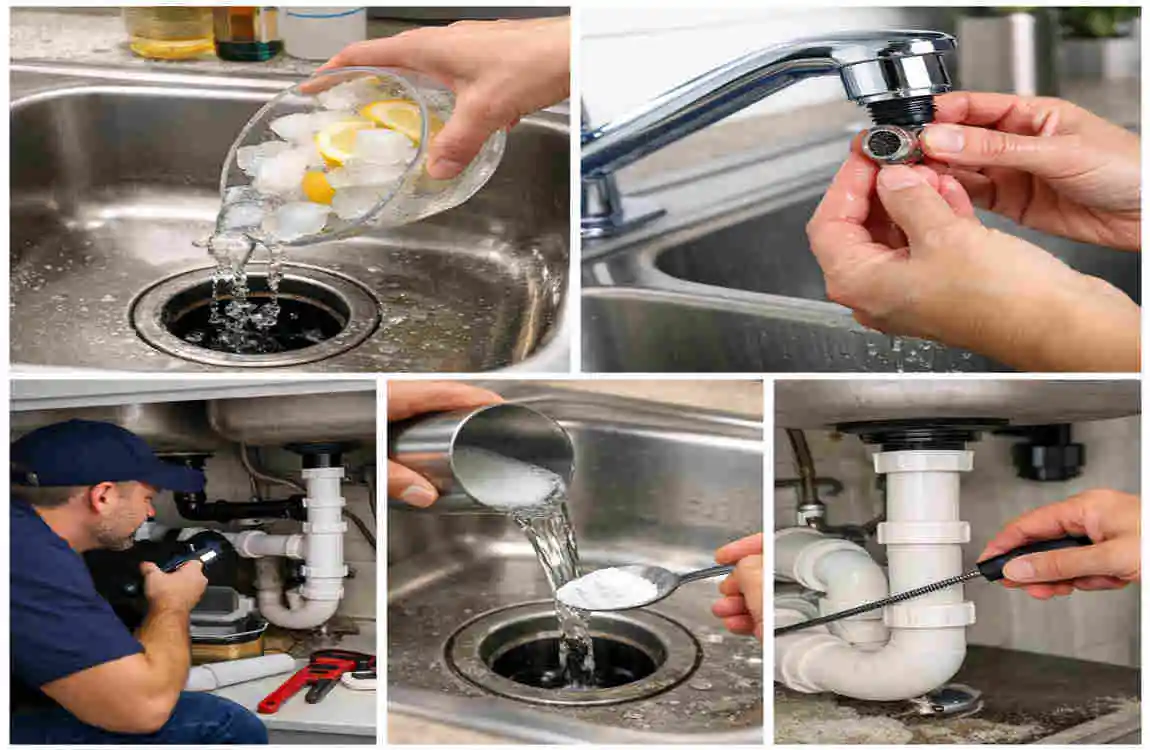
A little maintenance can save you from bigger repair bills later. Kitchen plumbing usually lasts longer when you treat it with care.
Prevent Kitchen Sink Clogs
Clogs are easier to prevent than to clear. The biggest step is to keep grease out of the drain. Grease hardens inside pipes and causes buildup fast.
Use a sink strainer to catch food pieces before they go down the drain. Clean it often so waste does not build up around it. You can also run warm water after use to help move small residue through the line.
Protect Pipes and Connections
The space under the sink should not be ignored. Check it now and then for moisture, corrosion, or loose fittings.
Supply lines can wear out over time. If they look old, cracked, or rusty, replacement may be a smart preventive step. Catching a weak line early is much easier than dealing with a sudden leak.
Maintain the Garbage Disposal
A garbage disposal works best when you use it correctly. Avoid hard, fibrous, or unsuitable materials that can jam the blades or motor.
Always run water while the disposal is operating. That helps move waste through the system more smoothly. Clean the unit regularly so odour and buildup do not become a problem.
Watch for Early Warning Signs
Kitchen plumbing often gives warning signs before it fails. Pay attention to:
- Slow drainage
- Low water pressure
- Strange noises
- Persistent odors
- Damp cabinets
- Recurring leaks
These signs often mean it is time to inspect the plumbing before the problem grows.
Know Where the Shut-Off Valve Is
One of the most helpful things you can do as a homeowner is learn where your kitchen shut-off valve is located. If a pipe leaks or a faucet breaks, shutting off the water quickly can prevent major damage.
Do not wait until there is an emergency to find it. Know its location now, and make sure everyone in the home understands it too.
When to Call a Kitchen Plumber
When Is Kitchen Plumbing an Emergency?
Some plumbing problems need immediate attention. Call for help quickly if you have:
- Burst pipes
- Uncontrolled leaks
- Severe water damage
- Major drain backups
- No usable water from a plumbing failure
In these situations, time matters. The longer water keeps running, the more damage it can cause.
How to Choose a Kitchen Plumber in San Antonio

Choosing the right plumber is just as important as fixing the problem. A good plumber can save time, money, and stress.
Look for someone who:
- Has the right licensing or registration where required
- Gives a written estimate
- Carries insurance
- Has solid experience with kitchen plumbing
- Offers warranties when possible
- Knows whether permits are needed
If the plumber regularly works on local kitchen plumbing in San Antonio, TX, they are more likely to understand the area’s permit rules and common household issues.
Frequently Asked Questions
How much does kitchen plumbing cost in San Antonio, TX?
It depends on the exact repair, the parts needed, the location of the problem, and how much labour is required. Small fixes cost less, while larger or emergency repairs cost more.
What are the most common kitchen plumbing problems?
The most common problems are clogged sinks, leaking faucets, damaged supply lines, garbage disposal issues, and dishwasher connection problems.
Do I need a permit for kitchen plumbing in San Antonio?
It depends on the work. Small repairs may not need a permit, but larger plumbing changes often do. Check the current City of San Antonio requirements before starting.
Can I fix a leaking kitchen faucet myself?
Sometimes yes. A simple washer, aerator, or loose connection may be manageable. But if the leak keeps coming back or the faucet is damaged, call a plumber.
How can I prevent kitchen sink clogs?
Avoid pouring grease down the drain, use a sink strainer, and keep the drain clean. Good habits make a big difference.
When should I replace kitchen plumbing instead of repairing it?
Replacement may make more sense when the plumbing is old, corroded, leaking often, or made from outdated parts that keep failing.
How do I find a reliable plumber in San Antonio, TX?
Check licensing or registration, ask for a written estimate, verify insurance, read reviews, and confirm whether permits are needed for the job.
| Plumbing Issue | Common Signs | Typical Cost* | Helpful Tip |
|---|---|---|---|
| Leaky Faucet | Dripping or loose handle | $100–$300 | Replace worn washers or cartridges |
| Clogged Sink | Slow or standing water | $100–$250 | Avoid pouring grease down the drain |
| Garbage Disposal | Humming or not draining | $150–$400 | Turn off power before checking it |
| Leaking Pipes | Water under cabinets | $150–$600+ | Fix leaks quickly to prevent cabinet damage |
| Low Water Pressure | Weak faucet flow | $100–$500+ | Check aerators and supply lines first |
| Dishwasher Connection | Leaks near dishwasher | $100–$300 | Inspect the drain hose and connections |
| Water Line Repair | Visible dripping or moisture | $150–$700+ | Shut off the water if the leak is severe |