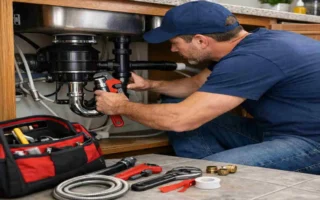
Plumbing used to be something most homeowners only thought about when something went wrong. A leaking pipe, a slow drain, or a broken water heater would suddenly pull plumbing into focus. For a long time, the system behind the walls stayed simple and mostly hidden. But that is no longer the full story.
Today, modern trends in household plumbing are changing how homes use water, save energy, and protect against damage. Plumbing is becoming smarter, cleaner, more efficient, and more connected to the rest of the home. In many houses, it now works alongside apps, sensors, automation tools, and energy-saving systems. That means plumbing is no longer just about moving water from one place to another. It is now part of how a home manages comfort, cost, and sustainability.
This shift matters for many reasons. Water bills are rising in many areas. People are also paying more attention to environmental impact and long-term savings. At the same time, homeowners want fewer repair surprises and better control over daily life. Modern plumbing solutions help meet all of those needs.
Evolution of Household Plumbing Systems
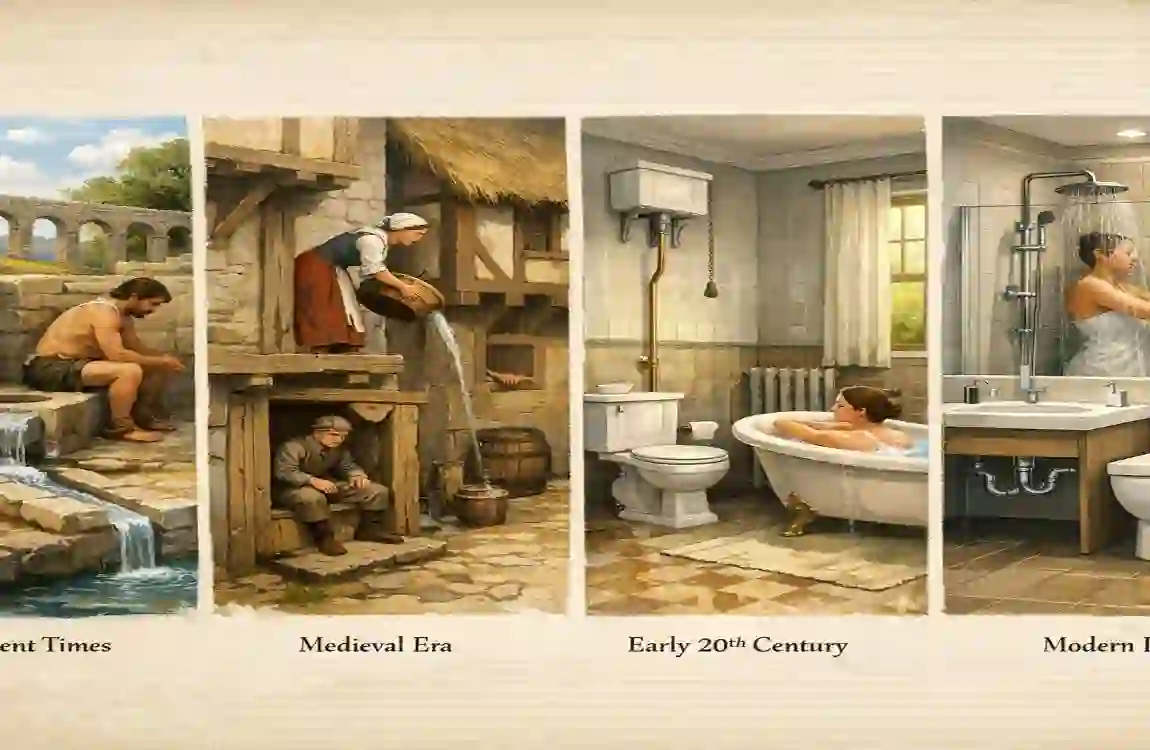
Traditional plumbing vs modern plumbing
For many years, household plumbing followed a fairly basic pattern. Water entered through pipes, flowed to sinks, showers, toilets, and appliances, and then left through drains. The system did its job quietly, but it did little else.
Traditional plumbing was mostly manual. You turned faucets on and off by hand. You checked for leaks only after you noticed water on the floor or stains on a wall. If a pipe burst, you found out the hard way. The system did not warn you. It simply failed.
Modern plumbing is very different. It still moves water in the same basic way, but now it can also monitor, alert, conserve, and automate. A smart system may detect a tiny leak, send a message to your phone, and even shut off the water before major damage starts. That kind of control was not common in older homes.
Older plumbing also had more limits when it came to efficiency. Many fixtures used more water than necessary. Many pipes were made from materials that aged poorly over time. Maintenance often occurred after a problem arose rather than before.
Modern homes are moving away from that model. Homeowners now expect better performance, better safety, and lower utility costs. That is one of the main reasons modern plumbing trends are growing so quickly.
Shift toward efficiency and sustainability.
The move toward modern plumbing is not only about convenience. It is also about responsibility. Water is a valuable resource, and many households want to use less of it without sacrificing comfort.
That is why plumbing today is shaped by efficiency and sustainability. Builders, manufacturers, and homeowners are all looking for ways to reduce waste. Low-flow fixtures, tankless water heaters, water-reuse systems, and leak-detection tools all support that goal.
Green building standards also play a big role. In newer homes and major remodels, plumbing is often designed to work with broader energy-saving and eco-friendly goals. This can lower monthly costs while also making the home more future-ready.
In simple terms, plumbing is no longer just about moving water. It is about using water wisely. That is a major change, and it is shaping almost every part of the industry.
Smart Plumbing Systems
Smart leak detection technology
One of the biggest breakthroughs in smart plumbing systems is leak detection. In the past, a small leak could stay hidden for weeks or even months. By the time the homeowner noticed it, the damage might already be serious.
Smart leak detectors solve that problem by watching for signs of trouble in real time. These sensors can be placed near sinks, water heaters, toilets, washing machines, and other high-risk areas. If they detect moisture where it should not be, they send an alert right away.
Some systems can do even more. They can connect to an automatic shut-off valve that stops the water supply the moment a major leak is detected. That can prevent flooded floors, damaged cabinets, mold growth, and expensive repairs.
For many homeowners, this is one of the most valuable household plumbing innovations because it quietly protects the home. You do not have to stand guard over the pipes. The system helps you do that work.
Wi-Fi-enabled water monitoring systems.
Another major trend is Wi-Fi-enabled water monitoring. These systems track how much water your home uses and often display the data in a mobile app or online dashboard.
This gives you a much clearer picture of your water habits. You can see when your usage spikes, which appliances use the most water, and whether a hidden leak may be wasting water overnight.
That kind of information can be extremely useful. For example, if your water use suddenly jumps while nobody is home, you may have a running toilet or a pipe problem. If you know your family’s daily habits, you can also spot waste and make better decisions.
Many homeowners like these systems because they raise awareness. Once you can see your usage clearly, it becomes much easier to control it.
Integration with smart homes
Modern plumbing is also becoming part of the larger smart home ecosystem. That means it can work with systems such as Alexa, Google Home, smart hubs, and home automation platforms.
In some homes, you can ask a smart assistant to check water status or trigger certain controls. In others, the plumbing system may sync with your home management app and show water alerts alongside security and climate updates.
This level of integration is important because people want fewer separate systems and more connected control. A homeowner who can monitor lights, temperature, security, and plumbing in one place has a much easier time managing the house.
Smart home plumbing technology is still growing, but it already gives homeowners a better sense of control and peace of mind.
Why smart plumbing matters
Smart plumbing is no longer just a luxury feature. It is becoming a practical tool for preventing damage and reducing waste. If you care about protecting your home and using resources carefully, this is one of the most important trends to watch.
Water-Efficient Fixtures and Appliances
Low-flow toilets and faucets
A major trend in modern household plumbing is fixtures that use less water. Low-flow toilets and faucets are two of the best-known examples.
Older fixtures often use more water than needed every time they are flushed or turned on. Modern low-flow versions are designed to maintain strong performance while reducing water use. That means you can still get good flushing power or useful sink flow without wasting as much water.
Dual-flush toilets are especially popular. They let you choose between a lighter flush for liquid waste and a stronger flush for solid waste. That small feature can save a surprising amount of water over time.
Low-flow faucets also help in kitchens and bathrooms. They reduce the amount of water that flows out without making the fixture feel weak or annoying to use.
Water-saving shower systems
Showers are another place where water use adds up quickly. That is why modern shower systems have improved so much.
Many newer showerheads mix air with water to create a fuller spray while using less water. Others are designed to maintain comfortable pressure while still reducing consumption. This makes the shower feel good while using fewer gallons per minute.
Some systems also include pause or eco modes, which help users reduce energy use during daily routines. For families trying to lower utility costs, these little changes can make a big difference.
High-efficiency dishwashers and washing machines
Plumbing does not stop at faucets and toilets. It also includes the appliances that use water every day.
Modern ENERGY STAR-rated dishwashers and washing machines are built to use less water per cycle. They also tend to clean better while using less energy. That creates a double benefit: lower water bills and lower electricity costs.
High-efficiency appliances are a smart addition to any modern plumbing setup because they run quietly in the background while saving money month after month.
A simple comparison table
Fixture or ApplianceTraditional VersionModern Efficient VersionMain Benefit
Toilet Uses more water per flush Low-flow or dual-flush Saves water
Faucet Higher water output Aerated low-flow faucet Reduces waste
Showerhead Standard high flow Air-mixing or low-flow showerhead Lowers water use
Dishwasher Older, less efficient design ENERGY STAR-rated model Saves water and energy
Washing machine Uses more water per cycle High-efficiency model Lower utility costs
Why these upgrades matter
Water-efficient fixtures are one of the easiest ways to modernize a home. They are practical, widely available, and often pay off over time. If you want a home that feels current without a full renovation, this is a great place to start.
Eco-Friendly Plumbing Materials
PEX piping vs traditional copper pipes
The materials used in plumbing matter just as much as the fixtures. One of the most talked-about changes in recent years is the rise of PEX piping.
PEX is a flexible plastic tubing that has become popular in many homes. It is easier to install than copper, resists corrosion, and often costs less. Because it bends more easily, it can also simplify some plumbing layouts and reduce the number of fittings needed.
Copper, on the other hand, has long been a trusted material. It is durable and familiar to many plumbers. But copper is usually more expensive and can be more vulnerable to certain water conditions over time.
For many modern projects, PEX is now seen as a practical choice because it is flexible, efficient, and cost-friendly. That makes it one of the biggest modern plumbing trends in new construction and renovations.
Recycled and sustainable materials
Another growing trend is the use of more environmentally conscious materials. Manufacturers are paying more attention to how plumbing products are made, how long they last, and what happens to them at the end of their life.
Some products now include recycled content or are designed with a smaller environmental footprint. This does not always mean the material is flashy or high-tech. Sometimes it simply means the product is made more responsibly.
Homeowners who care about sustainability often appreciate this direction. It supports long-term thinking and reduces waste across the building process.
Lead-free plumbing solutions
Health and safety have also driven advances in plumbing materials. One major shift has been the move toward lead-free plumbing.
This is important because lead exposure can create serious health problems. New rules and building standards have helped reduce the use of lead in pipes, fittings, and fixtures. Today, lead-free solutions are the expected norm in many places.
That change protects families and supports safer homes. It is one of the clearest examples of how plumbing has improved beyond basic function.
Tankless Water Heaters and Energy Efficiency
How tankless water heaters work
Traditional water heaters store a tank full of hot water all day. That means energy is used to keep the water hot even when nobody is using it. A tankless water heater works differently.
It heats water only when you need it. When you turn on a hot-water tap, the unit heats the water as it passes through. This is called on-demand heating.
That design has some real advantages. It saves space because there is no large tank sitting in the utility room. It also avoids the standby energy loss that happens with older systems.
Benefits over traditional systems
One of the main reasons people switch to tankless systems is the potential for lower energy bills. Since the unit does not constantly heat stored water, it can use energy more efficiently.
Tankless systems can also last longer than some traditional tanks when properly maintained. That makes them attractive to homeowners who want long-term value.
Other benefits include:
- More compact design
- Continuous hot water supply
- Better energy use
- Cleaner installation in many homes
Of course, tankless systems may have higher upfront costs. But for many homeowners, the long-term savings and convenience make them worthwhile.
Solar water heating systems
Some homes are taking energy efficiency even further by using solar water heating systems. These systems use sunlight to help warm water before it enters the home’s plumbing network.
This is one of the most sustainable plumbing options available because it uses a renewable energy source. It can reduce dependence on electricity or gas and lower long-term water heating costs.
Solar water heating is not right for every home. Still, it is a good example of how plumbing is becoming part of a broader clean-energy shift.
Touchless and Hygienic Plumbing Fixtures
Motion sensor faucets
Touchless fixtures have become very popular in both homes and commercial spaces. A motion sensor faucet turns on when it detects your hand and shuts off when you move away.
This has two clear benefits. First, it helps save water because the faucet is only on when needed. Second, it improves hygiene because you do not have to touch the handle with dirty hands.
These faucets are especially useful in kitchens, guest bathrooms, and family homes where convenience matters.
Touchless toilets and flush systems
Toilets have also become smarter. Many modern models now offer automatic flushing or touchless flushing options.
This improves sanitation because users do not need to press a handle. It also reduces the spread of germs, which is one reason these systems have become more popular in recent years.
For families with children or older adults, this can be a very practical upgrade.
Anti-bacterial surface technology
Some plumbing fixtures now include surfaces designed to resist germs or reduce bacterial growth. These coatings or materials are especially useful in high-use areas such as bathrooms and kitchen sinks.
While no surface is completely germ-proof, these features can help improve cleanliness and make maintenance easier.
If you value hygiene, these fixtures are worth considering for a modern home design.
Advanced Pipe Monitoring and Maintenance Technology
AI-based predictive maintenance
One of the most exciting household plumbing innovations is the use of AI-based predictive maintenance.
Instead of waiting for a pipe to fail, the system studies usage patterns, pressure changes, and sensor data to spot trouble early. It may warn you about a possible blockage, leak, or pressure issue before it becomes a major problem.
This is a huge step forward because many plumbing problems are expensive only after going unnoticed for too long. Predictive technology helps prevent that.
Smart pressure monitoring systems
Water pressure matters more than many people realize. If pressure is too high, pipes may wear out faster or even burst. If pressure is too low, showers and fixtures may not work properly.
Smart pressure monitoring systems keep an eye on this balance. If something changes suddenly, the system can alert the homeowner and help avoid damage.
This kind of monitoring is especially valuable in homes with older pipes or multiple bathrooms.
Remote plumbing diagnostics
Another useful trend is remote diagnostics. In some cases, plumbers can review system data without first being at the home.
That makes troubleshooting faster. It can also help plumbers identify the likely issue before they arrive, saving time and often reducing labor costs.
For homeowners, that means less waiting and more efficient repair visits.
Greywater Recycling and Water Reuse Systems
What is greywater?
Greywater is lightly used water from sinks, showers, tubs, and laundry. It is not the same as wastewater from toilets, which is usually much dirtier.
Because greywater is less contaminated, it can sometimes be treated and reused for certain purposes.
How recycling systems work
A greywater system filters and redirects water so it can be used again for things like:
- Irrigation
- Toilet flushing
- Landscape watering
The system usually collects the water, filters it, and directs it to a separate use area rather than sending it straight down the drain.
Benefits of water reuse
This approach supports both cost savings and sustainability. If your home reuses water for basic non-drinking tasks, you reduce waste and lower demand on your main water supply.
That makes greywater systems one of the most practical eco-friendly plumbing options for future-ready homes.
Plumbing in Smart Homes of the Future
Full home water automation
The future of plumbing is moving toward full automation of water. That means homeowners may eventually control more of their plumbing systems, much like they control lights or thermostats.
Imagine automated irrigation that adjusts to soil moisture, or a home system that adjusts water flow based on daily patterns. That kind of control is already starting to appear.
Integration with AI and IoT
Plumbing is also increasingly connected to the Internet of Things (IoT). That means devices can share data, learn patterns, and react automatically.
An AI-enabled plumbing system might learn when your family usually showers, when the washing machine runs, or when water use drops at night. It can then adjust monitoring and alerts based on those patterns.
This is where smart home plumbing technology is heading: systems that are not only connected, but also adaptive.
Future innovations
Some ideas are still emerging, but they show where the industry may go next.
These include:
- Self-repairing pipes
- Nano-coating pipes that resist corrosion
- More advanced leak prediction
- Fully automated shut-off systems
- Whole-home water intelligence dashboards
Not all of these are common yet, but they point toward a future where plumbing is more durable, more efficient, and easier to manage.
Cost Impact of Modern Plumbing Upgrades
Installation costs vs long-term savings
Modern plumbing upgrades usually cost more upfront than older, basic systems. Smart sensors, efficient fixtures, and tankless heaters are often more expensive upfront.
But that initial cost does not tell the whole story.
Over time, these upgrades can reduce:
- Water bills
- Energy bills
- Repair costs
- Damage from hidden leaks
- Waste from inefficient systems
That is why many homeowners see them as a long-term investment rather than just an expense.
ROI for homeowners
Modern plumbing can also improve property value. Buyers often like homes with efficient fixtures, updated materials, and smart systems because they see them as safer and more convenient.
In some cases, these upgrades may also help homeowners qualify for energy-efficiency incentives or local utility rebates.
So while the upfront price may be higher, the return can show up in lower monthly costs and stronger resale appeal.
Common Mistakes Homeowners Make

Even with all these benefits, some homeowners still make simple mistakes that reduce the value of modern plumbing upgrades.
Here are a few common ones:
- Ignoring small leaks and letting them grow into bigger damage
- Delaying upgrades even when the old system is wasting water
- Choosing cheap fixtures that wear out too quickly
- Skipping maintenance on smart plumbing devices
- Not checking compatibility between new systems and older pipes
These mistakes can reduce savings and create more problems later. If you upgrade your plumbing, you also need to maintain it.
Modern systems are helpful, but they still need regular attention.
FAQs – Modern Trends in Household Plumbing
What are the latest trends in household plumbing?
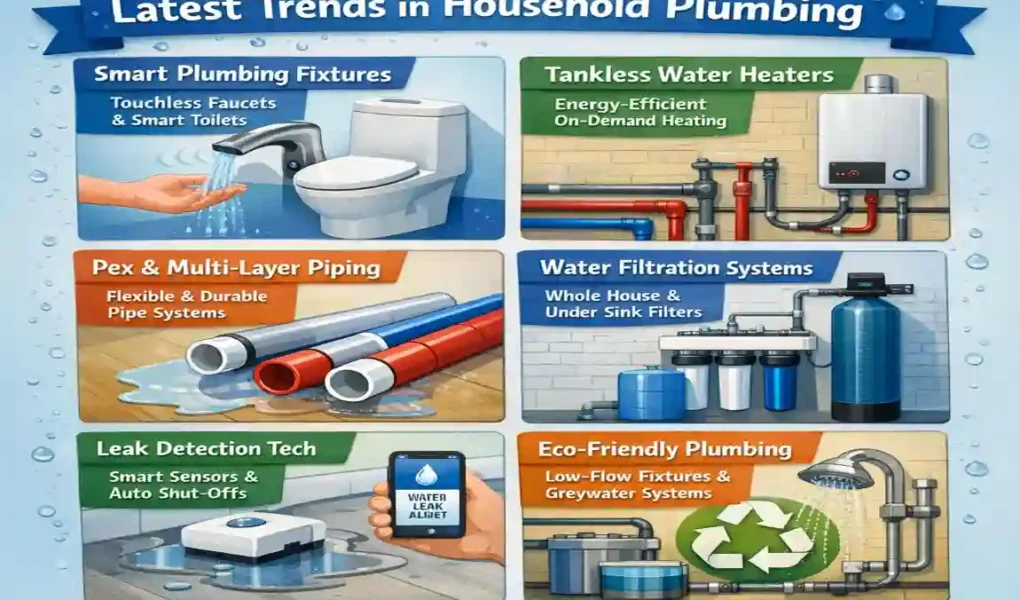
The latest modern trends in household plumbing include smart leak detection, Wi-Fi water monitoring, low-flow fixtures, tankless water heaters, eco-friendly materials, touchless faucets, and greywater reuse systems.
Are smart plumbing systems worth it?
Yes, for many homeowners, they are. Smart plumbing systems can reduce water waste, catch leaks early, and help prevent expensive damage. They also make it easier to monitor your home.
How can I make my home plumbing more eco-friendly?
You can use low-flow toilets, water-saving showerheads, tankless water heaters, recycled materials, and greywater systems. Even small fixture upgrades can make a difference.
What is the lifespan of modern plumbing systems?
That depends on the material and maintenance. Many modern systems last 20 to 50 years or more, especially when properly installed and regularly inspected.
Do modern plumbing upgrades increase home value?
Yes. Buyers often like homes with efficient, updated, and smart plumbing because they feel easier to maintain and cheaper to operate.
Is PEX better than copper?
It depends on the home and the job. PEX is flexible, corrosion-resistant, and often cheaper. Copper is durable and trusted. Many homeowners choose PEX for cost and ease of installation.
What is the biggest benefit of modern plumbing?
The biggest benefit is probably control. Modern plumbing gives homeowners more control over water use, safety, efficiency, and maintenance than older systems ever could.
| Trend | What It Means | Why It Matters |
|---|---|---|
| Smart Leak Detection Systems | Sensors detect leaks and send alerts or shut off water automatically | Prevents costly water damage and improves home safety |
| Smart Water Management | Wi-Fi connected valves and app-based monitoring of water usage | Helps reduce water bills and track consumption in real time |
| Tankless & Heat Pump Water Heaters | Energy-efficient systems that heat water on demand | Saves energy and provides continuous hot water |
| Water-Saving Fixtures | Low-flow toilets, faucets, and showerheads | Reduces water usage without affecting performance |
| Trenchless Pipe Repair | Fixing underground pipes without digging large trenches | Less damage to property and faster repairs |
| Eco-Friendly Plumbing Systems | Use of recycled water, efficient materials, and green designs | Supports sustainability and lowers utility costs |
| Smart Home Integration | Plumbing connected to smart home systems and AI monitoring | Improves convenience and predictive maintenance |