

If you want to know how to smudge a house and respectfully, this guide will help. House smudging is a traditional practice used to cleanse a space, clear stale energy, and create a calmer home. It has deep cultural roots, especially in Indigenous traditions, and today many people also use it as part of a spiritual or wellness routine.
People often smudge their homes after moving in, after a stressful time, or when a room feels heavy or unsettled. The practice is simple, but the intention behind it matters. Done safely and thoughtfully, smudging can help your space feel fresh, peaceful, and more balanced.
What Does It Mean to Smudge a House?
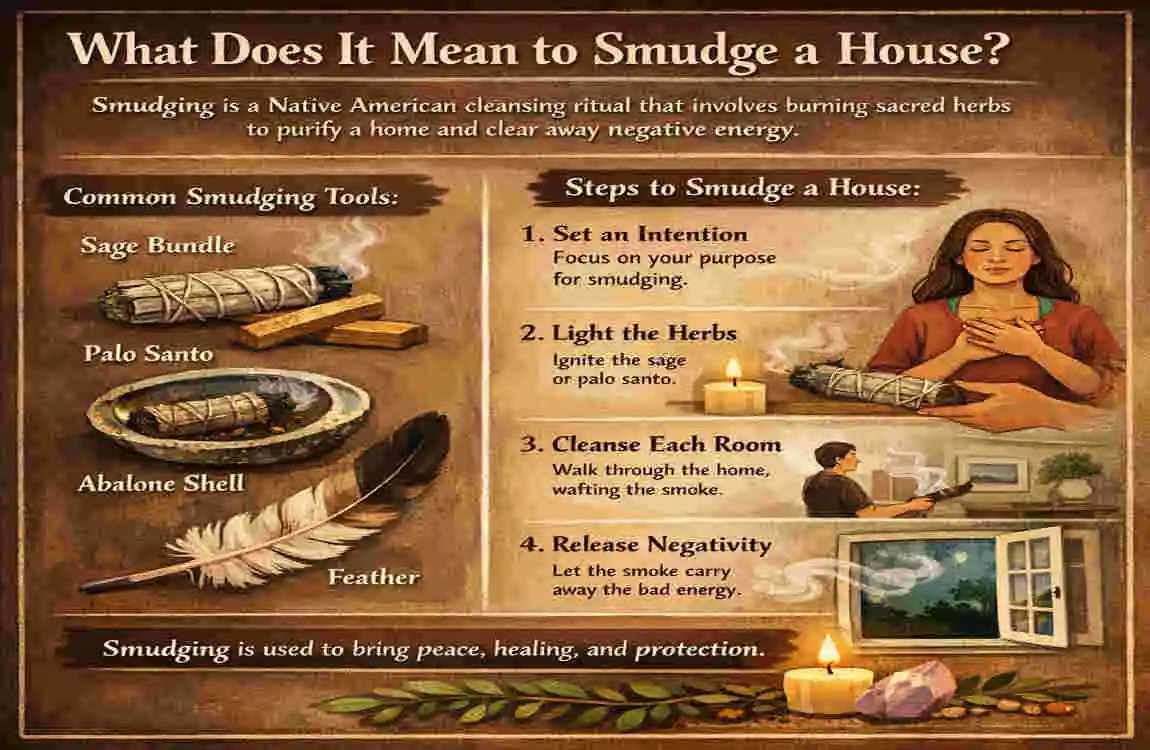
Definition of House Smudging
House smudging means burning sacred herbs or wood and gently moving the smoke through a luxury home. Many people use it as a home-cleansing ritual to clear unwanted energy and bring a sense of peace.
It is not just about smoke. It is also about focus, intention, and the feeling you want to create in your home.
The History and Origins
Smudging has roots in Indigenous spiritual traditions. These practices are meaningful and sacred, and they have been passed down through generations. Today, many people also use smudging in modern wellness and mindfulness routines.
It is important to approach this practice with respect, especially when using herbs like sage or sweetgrass.
Common Reasons People Smudge Their Homes
People choose house smudging for many reasons:
- Moving into a new house
- After illness or emotional stress
- Following an argument or difficult event
- During seasonal cleaning
- Before meditation, prayer, or reflection
Benefits of Smudging Your House
Creates a Calm and Relaxing Atmosphere
One of the biggest benefits of smudging your house is the feeling of calm it can create. Many people say their home feels lighter and more peaceful after a session.
The gentle smoke, combined with quiet attention, can help slow your mind and shift a room’s mood.
Encourages Mindfulness and Positive Intentions
Smudging gives you a chance to pause and focus on what matters. You may use this moment to reflect on peace, healing, gratitude, or new goals.
This makes it more than a cleaning habit. It becomes a meaningful spiritual house-cleansing practice.
Helps Mark New Beginnings
People often use smudging when starting a new chapter in life. This could mean moving into a new home, beginning a new job, or recovering from a difficult season.
It can feel like a fresh start and help you leave old stress behind.
Reduces Unpleasant Odours Naturally
Some herbs used in smudging can help freshen the air. While it is not a substitute for deep cleaning, it can reduce stale smells and leave your home feeling more refreshed.
Supports Spiritual Practices
If you pray, meditate, or practice yoga, smudging can be part of your routine. It may help you feel more centred and prepared.
Many people use it as a home purification step before quiet reflection.
Makes Your Home Feel Refreshed
A smudged room can feel different right away. The process helps you reset the space mentally and emotionally.
That is why many people see it as a simple way to cleanse your home without harsh products or complicated steps.
Enhances Meditation and Yoga Sessions
If you use your modern home for meditation or yoga, smudging can create a calmer setting. The ritual can help signal to your body and mind that it is time to slow down.
Encourages Emotional Well-Being
A tidy, peaceful space can support a peaceful mind. Smudging may help you feel more emotionally settled, especially after stress or conflict.
How to Smudge a House Step by Step
Gather Your Supplies
Before you begin, collect your supplies. Keep things simple and safe.
ItemPurpose
Sage bundle Main herb used in sage smudging
Palo Santo Optional wood for calming scent
Cedar or sweetgrass Alternative herbs for cleansing
Fireproof bowl Catches ash safely
Matches or lighter To light the bundle
Feather Optional tool to guide smoke
Open Doors and Windows
Always open windows and, if possible, some doors. This helps smoke move through the space and gives negative energy, stale air, and odour a way to leave.
This is one of the most important smudging tips for a safe and effective session.
Set Your Intention
Before lighting the herb, take a moment to think about why you are doing this. You might want peace, protection, clarity, or a fresh start.
Your intention gives meaning to the ritual.
Light the Smudge Stick Safely
Light the end of the bundle and let it burn for a few seconds. Then gently blow out the flame so it begins to smoke.
Hold it over your fireproof bowl. Never leave it unattended.
Walk Through Every Room
Move slowly through your home. Carry the smoke into each room, taking your time in the places that matter most.
You do not need to rush. Walk with purpose and calm.
Focus on Corners, Closets, and Entryways
Smoke tends to settle in corners and hidden spaces, so spend extra time there. Closets, hallways, and doorways are also common places to focus on.
These spots are often included in a full home cleansing ritual.
Extinguish the Smudge Stick Properly
When you are finished, press the smudge stick into sand, dirt, or a heat-safe bowl until it is fully out. Make sure there is no smoke left.
Safety is just as important as the ritual itself.
Finish with Gratitude or Reflection
When you are done, pause for a moment. You can say a quiet thank-you, reflect on your home, or enjoy the new feeling in the space.
Best Herbs Used for Smudging
White Sage
White sage is the most well-known herb used in smudging. Many people use it for strong cleansing and clearing energy.
Cedar
Cedar is often used for protection and grounding. It has a warm, woodsy scent and is a popular choice for best herbs for smudging.
Sweetgrass
Sweetgrass is often used after cleansing to invite peace, harmony, and positive energy.
Lavender
Lavender brings a soft, calming scent. It is a great option if you want your luxury home to feel relaxing.
Rosemary
Rosemary is often chosen for clarity and freshness. It is useful when you want to reset your space.
Palo Santo
Palo Santo is a fragrant wood often used in spiritual cleansing. It has a sweet, smoky scent and is used in some safe smudging practices.
Mistakes to Avoid When Smudging a House
- Not opening windows
- Using too much smoke
- Leaving herbs unattended
- Forgetting fire safety
- Ignoring cultural respect
- Buying unsustainably sourced herbs
These mistakes can reduce the value of the practice and may create safety problems.
How Often Should You Smudge Your Home?

There is no single rule for how often to smudge your house. Some people do it weekly, while others prefer to do it monthly or only after major events.
Common times include:
- After moving
- After guests leave
- After stressful situations
- During seasonal cleaning
- Whenever the modern home feels heavy or stale
In the end, personal preference matters most.
Safety Tips for Smudging
Keep these safe smudging practices in mind:
- Keep herbs away from children and pets
- Use a heat-resistant bowl
- Never leave burning herbs unattended
- Make sure the room is ventilated
- Extinguish everything completely
Frequently Asked Questions
How do you smudge a house properly?
Open the windows, light your herb bundle, move slowly through each room, and focus on your intention. Then extinguish it safely.
What should I say while smudging my house?
You can say a prayer, a short blessing, or a simple phrase like, “I welcome peace, light, and positivity into this home.”
Which herb is best for house smudging?
White sage is the most common, but cedar, sweetgrass, rosemary, and lavender are also popular herbs for smudging.
How often should I smudge my home?
You can do it weekly, monthly, after guests, or whenever you feel your space needs a reset.
Should windows be open while smudging?
Yes, opening windows helps smoke and stale energy leave the home.
Can I smudge a new house before moving in?
Yes, many people do this as part of a home purification ritual before unpacking.
Is smudging safe around pets?
Use caution. Keep pets away from smoke and make sure the area is well ventilated.
| Benefit | Description |
|---|---|
| Promotes Relaxation | The ritual of smudging can create a calming atmosphere, helping reduce stress and promote mindfulness. |
| Refreshes Indoor Atmosphere | The natural aroma from herbs like sage, cedar, or lavender can make your home feel fresher and more inviting. |
| Supports Spiritual Practices | Many people use smudging to symbolize clearing negative energy and welcoming positivity. |
| Enhances Meditation | Smudging before meditation or yoga may help create a peaceful, focused environment. |
| Creates a Sense of Renewal | Often performed after moving, arguments, illness, or major life changes to mark a fresh start. |
| Encourages Mindful Living | The ritual encourages setting positive intentions and being more present in your home. |
| Pleasant Natural Fragrance | Burning herbs releases earthy scents that many people find soothing without synthetic fragrances. |
| Cultural and Traditional Significance | Smudging has deep roots in many Indigenous cultures and should be practiced with respect for its traditions. |
| May Help Reduce Odors | The smoke and aromatic herbs can temporarily mask or replace unpleasant household smells. |
| Strengthens Personal Rituals | Many individuals include smudging in wellness, self-care, or spiritual routines to create a meaningful home environment. |