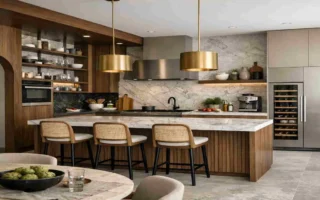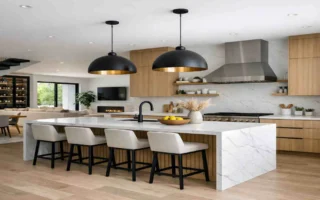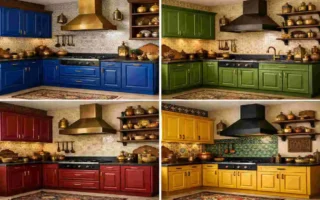
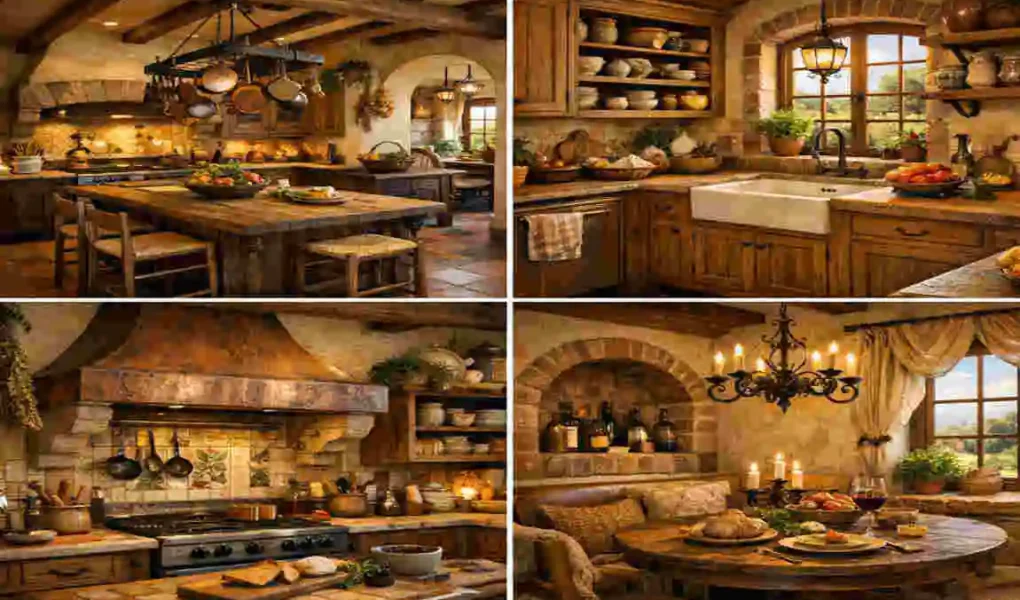
A 90s Tuscan kitchen is a warm, rustic kitchen style inspired by the Italian countryside. It became very popular in the 1990s because homeowners loved its rich colors, cozy feeling, and old-world charm. If you grew up seeing dark wood cabinets, heavy countertops, and stone details, you already know the look.
This style was all about making the kitchen feel lived-in, welcoming, and elegant. It brought a sense of comfort into the home and gave many kitchens a dramatic, Mediterranean feel.
What Is a 90s Tuscan Kitchen?
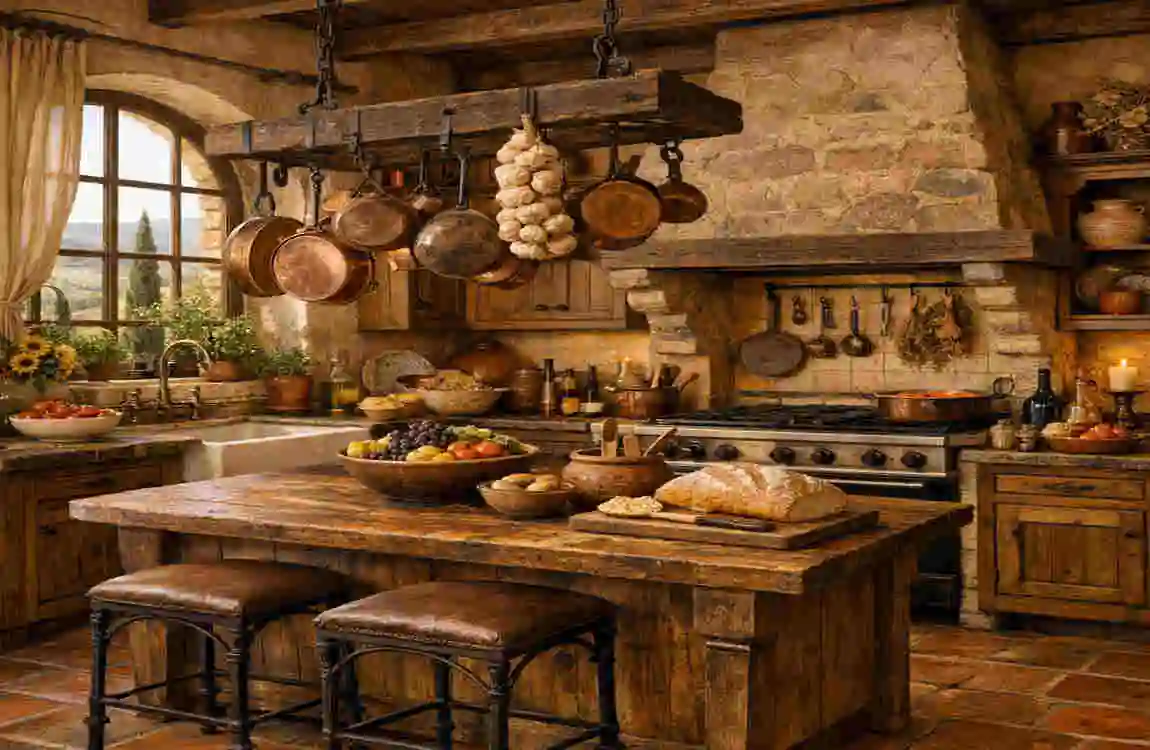
A 90s Tuscan kitchen is a design style inspired by traditional homes in Tuscany, Italy, but adapted for American homes during the 1990s. It mixes rustic beauty with a rich, dramatic look. The result is a kitchen that feels warm, heavy, and full of texture.
Origins of Tuscan Interior Design
Tuscan design comes from the countryside of Italy. It reflects a simple, old-world way of life in which natural materials were often used. Think wood, stone, clay, iron, and warm paint colors. These materials helped create spaces that felt natural and inviting.
The style is rooted in tradition. It values comfort, family, and a connection to nature. That is one reason it worked so well in kitchens.
Mediterranean Influences on American Homes
In the United States, Tuscan style became part of a larger love for Mediterranean-inspired design. Homeowners wanted spaces that felt rich and stylish but still comfortable. The kitchen was the perfect place for that.
During the 1990s, many homes featured open layouts and larger kitchens. Tuscan elements fit that trend because they add warmth and character to large spaces.
Why Tuscan Kitchens Dominated the 1990s
Tuscan kitchens became popular because they felt luxurious without being cold. People wanted homes that looked elegant, and this style delivered that with dark wood, stone surfaces, and decorative details.
It also matched the decorating taste of the time. In the 90s, bold textures and rich colors were everywhere. A 90s Tuscan kitchen gave people a way to bring that mood into the heart of the home.
Key Features of a 90s Tuscan Kitchen
The look of a 90s Tuscan kitchen is easy to recognize once you know the main details. It uses warm colors, textured surfaces, and heavy materials to create a cozy, traditional feel.
Warm Earth-Tone Color Palettes
Color is one of the biggest parts of this style. A classic Tuscan kitchen often uses shades like:
- Gold
- Terracotta
- Beige
- Olive green
These colors make the room feel warm and grounded. They remind people of sunbaked walls, clay pots, and natural landscapes. Instead of bright and airy, the space feels rich and comforting.
Wooden Cabinets and Dark Finishes
Dark wood cabinets are a signature feature of the 90s Tuscan kitchen. These cabinets often have a deep brown or reddish tone. They may also have carved details or a distressed finish.
The wood adds weight and depth to the room. It gives the kitchen a strong, traditional look that feels timeless in some homes and dated in others.
Stone and Tile Backsplashes
Tuscan kitchens often include stone or tile backsplashes. These surfaces add texture and make the kitchen feel handcrafted. Many designs use patterns, earthy tones, or natural-looking tiles.
A backsplash in this style is not just practical. It also helps tell the story of the space. It makes the kitchen feel more like a rustic villa than a modern city apartment.
Decorative Wrought-Iron Accents
Wrought iron is another common element. You may see it in cabinet handles, light fixtures, pot racks, or chair details. These accents add a handcrafted, old-world feel.
The dark metal works well with warm colors and wood. It adds a bit of contrast to the room and makes the design feel complete.
Heavy Granite Countertops
Granite was very popular in 90s Tuscan kitchens. The stone surface added a sense of quality and strength. Many countertops had busy patterns or darker colors that matched the rest of the room.
Granite helped the kitchen feel solid and elegant. At the time, it was seen as a sign of a well-designed home.
Rustic Lighting Fixtures
Lighting in a Tuscan kitchen is often decorative and bold. You might see lantern-style pendants, iron chandeliers, or fixtures with warm glass shades.
These lights do more than brighten the room. They add personality and support the rustic style. In a 90s Tuscan kitchen, lighting often plays a major role in creating the mood.
Quick look at the signature elements
FeatureCommon LookEffect
Cabinets Dark wood, carved, or distressed Adds richness and depth
Colors Terracotta, gold, beige, olive Create warmth
Countertops Granite or stone Feels solid and traditional
Accents Wrought iron and tile Add rustic character
Lighting Lantern or iron fixtures Builds a cozy atmosphere
Pros and Cons of a 90s Tuscan Kitchen
Like any design style, a 90s Tuscan kitchen has good sides and not-so-good sides. Some people love the cozy feel, while others see it as too heavy for modern life.
Advantages
One big advantage is the cozy atmosphere. The style makes the kitchen feel warm and inviting, which is perfect for families and gatherings.
It also has a timeless rustic appeal. Natural materials like wood and stone rarely go completely out of style. Even if the full Tuscan look feels dated, parts of it still work well.
Another plus is the rich texture. Tuscan kitchens are full of visual interest. They do not feel flat or plain.
Finally, it is a family-friendly design. The kitchen feels like a place where people can sit, cook, talk, and stay awhile.
Disadvantages
The biggest drawback is that it can feel dark and heavy. If too many deep colors and bulky materials are used, the kitchen may look smaller than it really is.
It may also appear dated to people who prefer lighter, simpler styles. The 90s look is very specific, and not everyone wants that much drama in the kitchen.
Another issue is maintenance. Stone, tile, and dark wood may need regular care to keep looking good.
In smaller kitchens, the style can make the room feel crowded. Too many decorative details can take away space and light.
How to Modernize a 90s Tuscan Kitchen
If you like some parts of the style but want a fresher look, you do not have to start from scratch. You can update a 90s Tuscan kitchen step by step.
Brighten the Color Scheme
One of the easiest updates is to use lighter colors. You do not need to remove all the warmth. Instead, soften the palette with cream, soft white, pale beige, or light gray.
This makes the kitchen feel more open while still keeping some of the rustic charm. A lighter wall color can change the whole mood of the room.
Refinish or Paint Cabinets
Dark cabinets are classic Tuscan, but they can also make the space feel heavy. Painting or refinishing them is a smart way to modernize the kitchen.
A soft white, warm taupe, or muted sage can freshen up the look. If you want to keep the wood feel, consider a lighter stain instead of a dark one.
Add Modern Lighting
Lighting can make a huge difference. Replace old heavy fixtures with simpler pendant lights or cleaner metal designs. Better lighting helps the space feel brighter and more current.
This does not mean you have to lose all character. You can still choose warm finishes or rustic shapes, but in a more updated way.
Incorporate Open Shelving
Open shelving can break up the heaviness of closed cabinets. It also gives you a place to display dishes, bowls, or simple décor.
If done carefully, open shelves can make the kitchen look lighter and more relaxed. They work especially well when paired with neutral colors.
Mix Rustic and Contemporary Elements
The best modern Tuscan kitchens often mix old and new. You might keep the stone backsplash but pair it with simpler hardware. Or you may keep the wood cabinets but add sleek counters and cleaner lines.
This balance helps the kitchen feel fresh without losing its soul.
Upgrade Appliances for a Fresh Look
Modern appliances can instantly update the room. Stainless steel or panel-ready appliances blend better with updated Tuscan spaces.
Even if everything else stays traditional, newer appliances make the kitchen feel more practical and up to date.
Decorating Ideas for a 90s Tuscan Kitchen
Once the main elements are in place, decoration helps bring the room to life. A few simple touches can make the kitchen feel warm and personal.
Add Natural Greenery
Plants soften the heavy look of a Tuscan kitchen. Herbs in small pots, olive branches, or simple green plants work very well.
Greenery brings freshness into the room and connects the kitchen to nature.
Use Textured Fabrics and Rugs
A small rug, fabric seat cushions, or linen curtains can make the room feel softer. Choose textures that look natural and simple.
This helps balance the harder surfaces, such as stone and wood.
Display Ceramic and Copper Accessories
Ceramic bowls, clay jars, and copper pots all fit the Tuscan mood. These pieces add warmth and charm without feeling too staged.
Keep the display simple so the kitchen still feels open and usable.
Incorporate Wooden Furniture Pieces
A wooden table, bench, or side chair can strengthen the rustic style. These pieces work well in a breakfast nook or near a dining corner.
They add another layer of warmth and help the space feel lived in.
Create a Warm Dining Nook
If you have room, turn part of the kitchen into a small dining space. A cozy nook with a table, cushions, and soft lighting can make the whole room feel more inviting.
This works especially well in a 90s Tuscan kitchen, where comfort is just as important as style.
Is a 90s Tuscan Kitchen Making a Comeback?
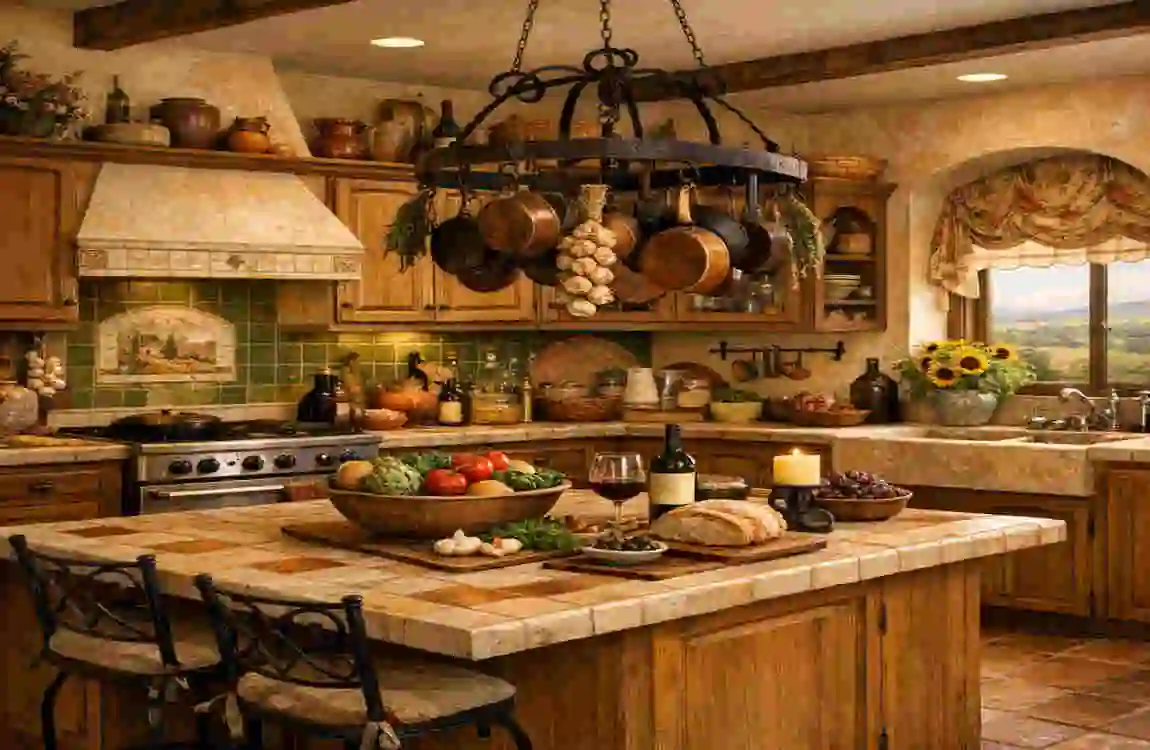
Yes, in some ways it is. People are once again enjoying design that feels warm, nostalgic, and personal. After years of very minimal kitchens, many homeowners want more texture and character.
The Rise of Nostalgic Interior Design Trends
Nostalgia plays a big role in design right now. People like styles that evoke earlier times, especially when they feel comforting and familiar.
The 90s Tuscan kitchen fits that feeling well because it is rich, cozy, and full of personality.
Modern Tuscan-Inspired Kitchens
Today’s version of Tuscan style looks a little lighter and cleaner. Instead of very dark finishes everywhere, homeowners often use softer colors, simpler shapes, and fewer heavy decorations.
The result is still warm, but more balanced for modern life.
How Homeowners Are Reimagining the Style
Many people now borrow only the best parts of the style. They may keep the natural materials, warm tones, or rustic accents, but pair them with brighter walls and modern hardware.
This creates a look that feels both classic and current.
Frequently Asked Questions
What is a 90s Tuscan kitchen?
A 90s Tuscan kitchen is a Mediterranean-inspired kitchen design with warm colors, dark wood cabinets, stone textures, and rustic accents.
What colors are commonly used in a 90s Tuscan kitchen?
Common colors include terracotta, beige, gold, olive green, and warm brown.
How can I update a 90s Tuscan kitchen?
You can modernize it by using lighter paint, updating lighting, refinishing cabinets, and adding simpler, more modern accents.
Are 90s Tuscan kitchens outdated?
Not always. Many homeowners still like the style and blend it with modern features to create a fresh look.
What materials are typical in a 90s Tuscan kitchen?
Typical materials include wood, natural stone, granite, ceramic tile, and wrought iron.
| Element | Description | Materials/Colors | Quick Tip |
|---|---|---|---|
| Cabinets | Warm, slightly ornate cabinetry with raised panels | Aged oak or walnut, distressed finish; warm honey or chestnut | Refinish rather than replace to keep budget low |
| Countertops | Natural, slightly textured surfaces | Granite or butcher block in beige/terra tones | Add a leathered finish for authentic texture |
| Backsplash | Decorative Mediterranean tiles or simple stone | Terra-cotta, hand-painted ceramic, travertine | Use patterned tiles sparingly behind stove for focal point |
| Flooring | Earthy, durable flooring with rustic feel | Terracotta tile, slate, or wide-plank wood | Add area rugs with Persian motifs for warmth |
| Fixtures & Hardware | Ornate, antique-inspired metalwork | Oil-rubbed bronze, aged brass | Swap pulls and faucets for instant style shift |
| Lighting | Layered, warm ambient and task lighting | Pendant lamps with wrought iron, wall sconces | Use dimmers to create cozy evening light |
| Accessories | Rustic accents, ceramics, and greenery | Copper pans, earthenware, olive branches | Group items in odd numbers for visual interest |