Appliance and lighting updates are now a big part of modern home design. People want homes that are easier to manage, safer to live in, and cheaper to run. That is why smart appliances and smart lighting are becoming so common in houses today.
A smart home is no longer just about fancy gadgets. It is about saving energy, improving comfort, and making daily life simpler. With the right updates, you can control lights, kitchen devices, and even heating systems with your phone or voice.
These upgrades also matter because many homeowners are now looking for practical ways to reduce power bills. At the same time, they want homes that feel more comfortable and more secure. Appliance and lighting updates help you do all three without making your home feel complicated.
What Are Smart Appliance and Lighting Updates?
Definition of Smart Appliances
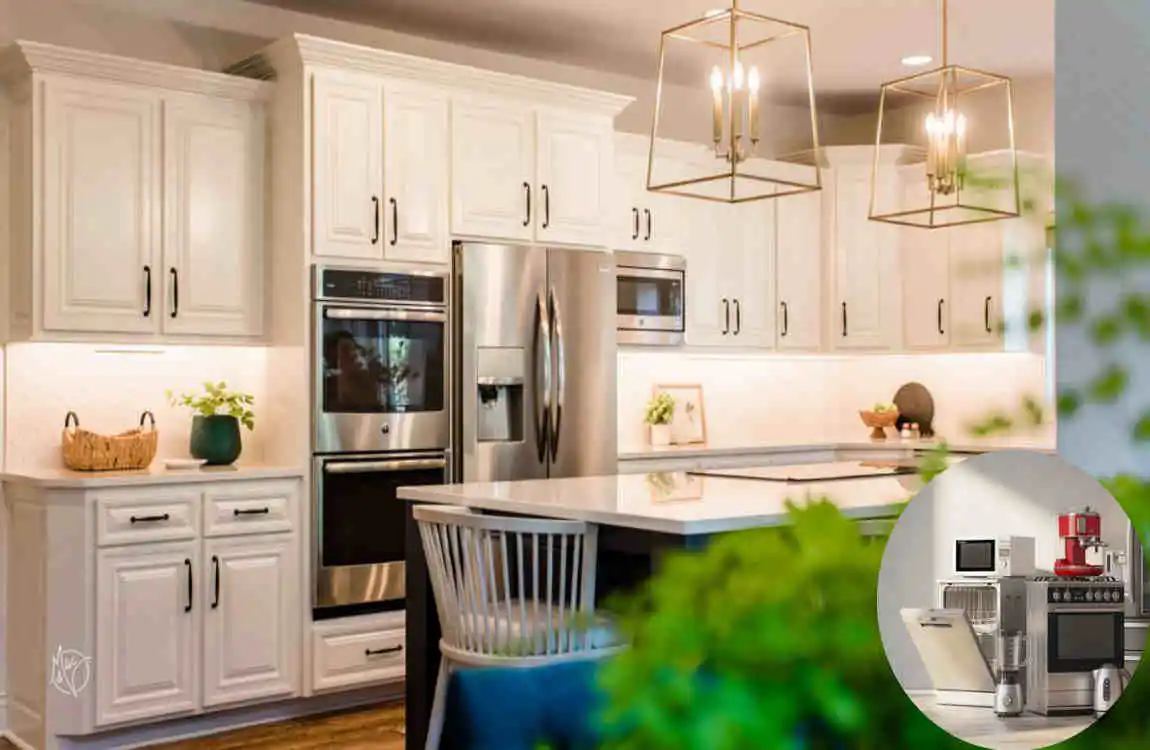
Smart appliances are regular home appliances with added technology. They connect to Wi-Fi, apps, or voice assistants so you can control them more easily. These may include refrigerators, ovens, washing machines, thermostats, and TVs
Instead of working in a fixed way, smart appliances can learn patterns and adjust themselves. For example, a smart washer may choose the best wash cycle for your clothes. A smart fridge may help you track food or alert you if the door is left open.
What Smart Lighting Means
Smart lighting is lighting that you can control in more advanced ways. You can turn it on or off from your phone, set timers, change brightness, or even adjust colour in some systems.
Many smart lights also work with motion sensors or voice control. This means the lights can turn on when someone enters a room or when you say a simple command.
Core Purpose
The main purpose of these updates is simple: to make your home easier, safer, and more efficient. Smart appliances and smart lights help reduce waste, support your routine, and make everyday tasks feel smoother.
Benefits of Appliance and Lighting Updates
Energy Efficiency and Lower Bills
One of the biggest reasons people choose appliance and lighting updates is energy savings. Smart devices often use power more wisely than older models. They can run only when needed, and many have settings that reduce wasted energy.
For example, smart lighting can turn off automatically in empty rooms. A smart thermostat can adjust the temperature based on your routine. Over time, these small changes can make a real difference in your monthly bills.
Improved Home Comfort
Smart updates also make your home feel more comfortable. You can set lighting scenes for reading, relaxing, or working. You can also adjust appliances and temperature without moving around the house.
This kind of control gives you a more personal living space. Your home starts to fit your lifestyle instead of forcing you to adjust all the time.
Home security Enhancement
Smart lighting adds another layer of safety. Lights can turn on automatically at night or when motion is detected. This can help prevent accidents and may also make your home look occupied when you are away.
You can also monitor many smart devices remotely. That gives you peace of mind, especially if you travel often or stay out late.
Increased Property Value
Many buyers now look for homes with modern features. A house with smart systems can feel newer, more useful, and more future-ready. This can make it more attractive in the housing market.
Here is a simple view of the main benefits:
Update TypeMain BenefitExample
Smart Lighting Lower energy use Motion lights in hallways
Smart Appliances Better daily control App-controlled oven
Smart Thermostat Comfort and savings Auto temperature changes
Smart security lighting, more safety , outdoor lights at night
Types of Smart Appliances for Homes
Smart Kitchen Appliances
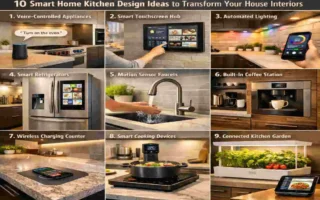
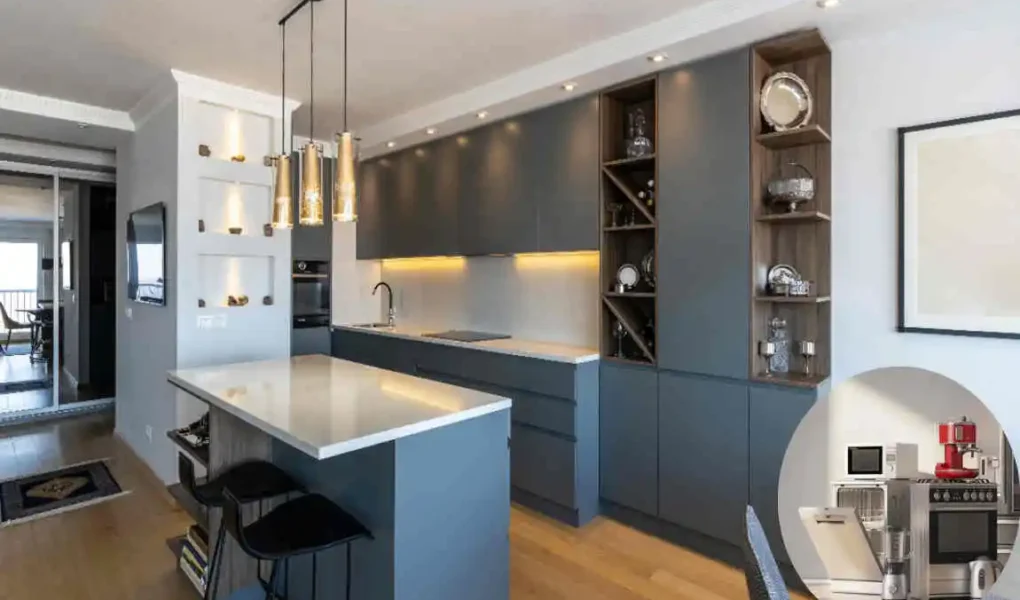
The kitchen is often the first place homeowners start. Smart refrigerators, ovens, dishwashers, and microwaves can make cooking and food storage easier.
A smart fridge may help you manage groceries. A smart oven can preheat from your phone. These features save time and reduce stress during busy days.
Smart Laundry Systems
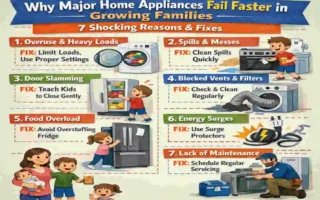
Smart washing machines and dryers can choose cycles based on load size or fabric type. Some models use less water and energy, which helps lower utility bills.
These appliances are especially helpful for families. They make laundry less of a guesswork task and more of a planned routine.
Smart HVAC Systems
HVAC means heating, ventilation, and cooling. Smart thermostats and climate systems help you control indoor temperature with more accuracy.
They can learn when you are home and when you are away. That means they avoid over-heating or over-cooling an empty house, which helps save energy.
Smart Entertainment Devices
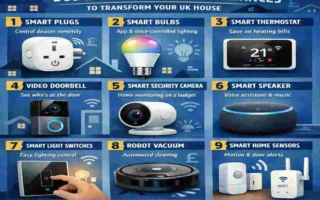
Smart TVs, speakers, and voice assistants also count as part of modern appliance and lighting updates. These devices make it easier to stream shows, play music, and control other smart products in the home.
They bring convenience to daily life and help connect different parts of the house into a single, simple system.
Smart Lighting Systems Explained
LED Smart Bulbs
Smart LED bulbs are one of the easiest updates to install. They use less energy than older bulbs and last longer too.
You can change brightness, set schedules, and sometimes even change colours. This gives you more control over how each room feels.
Motion Sensor Lighting
Motion sensor lights turn on when movement is detected. This is very useful in hallways, bathrooms, garages, and outdoor areas.
They save energy because lights only work when needed. They also add safety, especially at night.
Voice-Controlled Lighting
Voice control is one of the most popular smart home features. With a simple spoken command, you can turn lights on, off, dim them, or change settings.
This is helpful when your hands are full or when you want quick control without using a switch.
App-Based Lighting Control
Many smart lighting systems connect to a mobile app. This lets you control lights from anywhere, even when you are not home.
You can set timers, group rooms together, and create routines. For example, you can have lights turn on at sunset or switch off automatically at bedtime.
How to plan Appliance and Lighting Updates for Your Home
Assessing Your Current Setup
Before you buy anything, look at what you already have. Which appliances are old? Which lights use too much power? Which rooms need better control?
This step helps you focus on the most useful upgrades first. You do not need to replace everything at once.
Setting a Budget
Smart systems come in many price ranges. Some updates are small and affordable, while others are more expensive.
Try to balance upfront cost and long-term savings. A more expensive device may save you more money over time if it uses less energy.
Choosing Compatible Systems
Not all smart products work together. Some depend on the same app, hub, or voice assistant.
It helps to choose devices that fit one system well. That way, you avoid confusion and make future upgrades easier.
Professional Installation vs DIY
Some smart bulbs and plug-in devices are simple enough to install yourself. Others, like built-in lighting or HVAC systems, may need expert help.
If a device affects wiring, safety, or major home systems, hiring a professional is usually the better choice.
Latest Trends in Smart Home Updates

AI-Powered Home Automation
Many new systems use AI, or smart learning, to understand your habits. They can guess when to turn on the lights or adjust the temperature based on your routine.
This makes the home feel more natural and less like a machine you have to manage all the time.
Voice Assistant Integration
Voice assistants are becoming more common in homes. They can link your lights, appliances, and speakers in one place.
This makes control easy and fast, especially for busy households.
Solar-Compatible Smart Systems
Some smart devices now work well with solar power setups. This is a great option for homeowners who want to reduce energy use further.
It supports both comfort and sustainability.
Wireless and IoT Expansion
Wireless systems are expanding quickly. IoT, or connected device technology, lets appliances and lights communicate with each other.
This creates a smoother home experience where devices work together instead of separately.
Common Mistakes to Avoid
- Buying devices that do not work together
- Ignoring energy ratings
- Making the system too complicated
- Skipping long-term planning
A simple setup is often the best setup. Start with the updates that matter most to your home, then build from there.
Maintenance Tips for Smart Appliances and Lighting
Keep Software Updated
Smart devices often need updates to stay secure and work well. Turn on automatic updates when possible.
Clean Devices Regularly
Dust and dirt can affect sensors, bulbs, and screens. Simple cleaning helps your devices last longer.
Check Network Stability
Because many smart products use Wi-Fi, your network needs to be strong and stable. A weak signal can cause delays or connection problems.
Replace Old Parts on Time
Bulbs, batteries, and sensors wear out eventually. Replacing them on time keeps your system working properly.
FAQs
What are appliance and lighting updates in a home?
They are upgrades that replace regular home systems with smarter, energy-saving, and automated versions.
Are smart appliances expensive to install?
Some can cost more upfront, but they often save money over time through lower energy use.
Do smart lighting systems require Wi-Fi?
Many do, but some also use Bluetooth or a separate hub.
Can I install smart appliances myself?
Yes, some are easy to install. Bigger systems may need a professional.
Are smart home upgrades worth it?
Yes, because they improve comfort, reduce energy use, and can increase property value.
| Category | Latest Smart Update | Benefit for Home | Example |
|---|---|---|---|
| Smart Lighting | AI-based auto brightness & color control | Saves electricity, improves comfort | Philips Hue |
| Voice-Controlled Systems | Voice activation for lights & appliances | Hands-free control, convenience | Amazon Alexa |
| Smart Thermostats | Auto temperature adjustment based on habits | Energy saving, better comfort | Google Nest |
| Smart Security Lighting | Motion-detection outdoor lights | Improved safety & security | Xiaomi Smart Lights |
| Smart Home Hubs | Central control for all devices | Easy management of home systems | Samsung SmartThings |
| Energy Monitoring Appliances | Real-time electricity usage tracking | Lower bills, efficient usage | LG Smart Appliances |