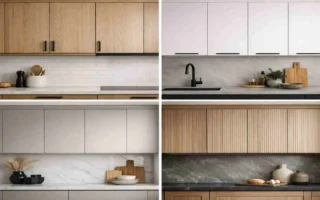
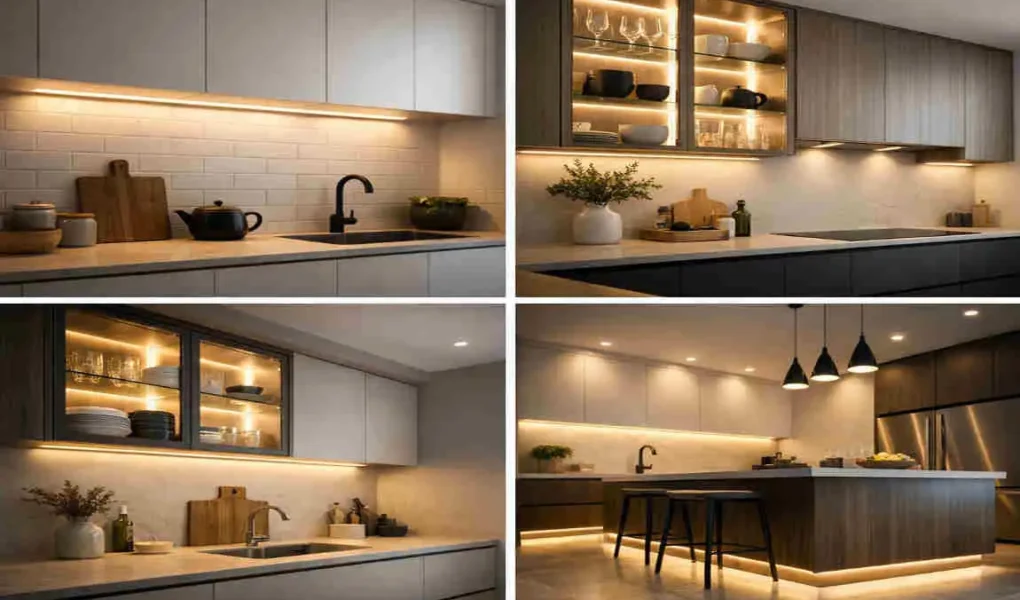
Kitchen cabinet light design can change the whole feel of your kitchen. It does more than brighten a space. It also helps your kitchen look cleaner, more modern, and more useful for daily tasks.
Good lighting makes it easier to chop, cook, clean, and find items in cabinets. It also highlights the beauty of your cabinets, backsplash, and countertops. That is why many homeowners now treat cabinet lighting as a key part of kitchen design, not just an extra feature.
What Is Kitchen Cabinet Light Design?
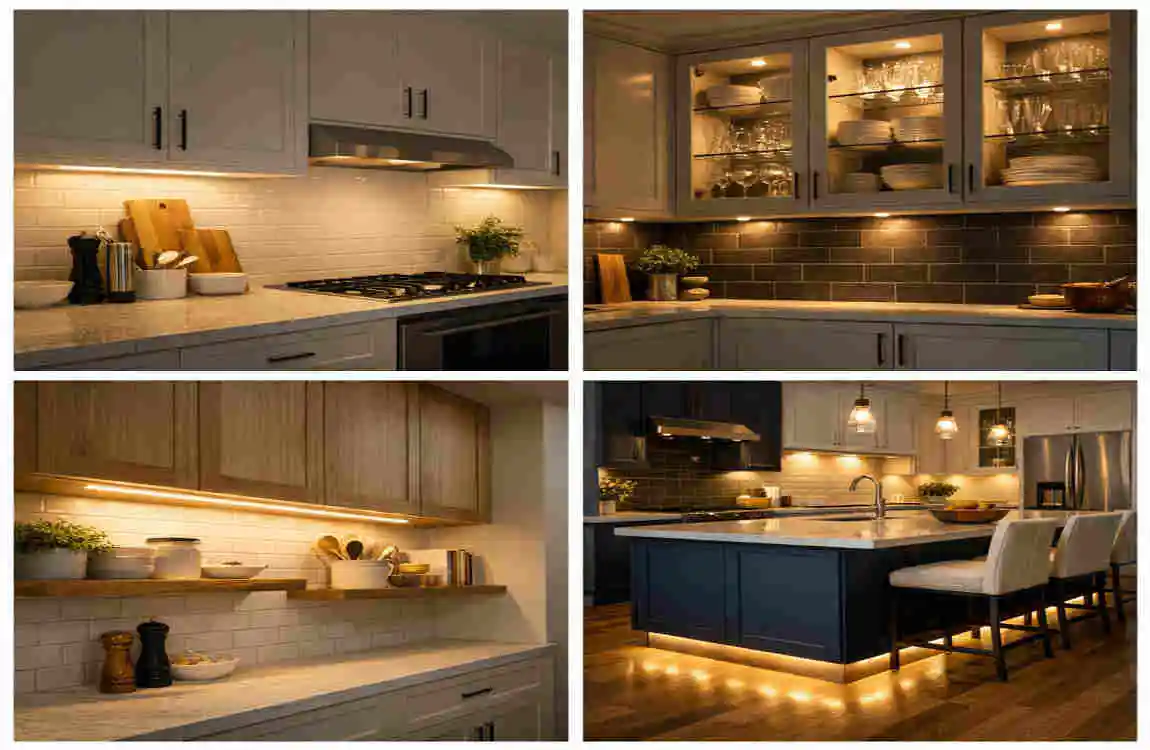
Kitchen cabinet light design means planning and placing lights around, under, inside, or above cabinets to make the kitchen feel brighter and more attractive. These lights can be used for work, decoration, or both.
Some lights help you see the countertop clearly. Others create a soft glow or show off special cabinet details. The best kitchen lighting often uses a mix of both.
Task, accent, and decorative lighting
Cabinet lighting usually falls into three main groups:
- Task lighting helps you see while cooking or preparing food.
- Accent lighting highlights cabinets, backsplashes, or display items.
- Decorative lighting adds style and atmosphere to the room.
When these lighting types work together, the kitchen feels balanced and complete.
Why cabinet lighting matters
A kitchen can have beautiful cabinets and still feel dark if the lighting is poor. Cabinet lights help solve that problem. They make the room more comfortable, more functional, and more visually appealing.
LED lighting has become especially popular because it is slim, efficient, and long-lasting. It fits well into modern kitchens where people want clean lines and practical design.
Best Kitchen Cabinet Light Designs for Modern Homes
Under-Cabinet LED Strip Lights
Under-cabinet LED strip lights are one of the most popular choices for modern kitchens. They sit underneath the upper cabinets and shine directly onto the countertop.
This gives you better task lighting for cooking, reading recipes, and cleaning. The design also looks neat because the lights are slim and easy to hide.
Dimmable LED strips are especially useful. You can keep them bright for food prep and lower them later for a softer evening look.
Recessed Puck Lights
Puck lights are small, round fixtures that provide focused illumination to specific areas. They work well when you want to highlight sections of your countertop or cabinet area.
They are a good fit for contemporary kitchens that need a clean and simple look. Compared with LED strips, puck lights create a more spot-like effect.
If your kitchen has several work zones, puck lights can help brighten each one without making the room feel too busy.
Linear Cabinet Lights
Linear lights are long fixtures that give wide, even light. They work well for larger cabinets or longer counters.
This type of kitchen cabinet lighting design is ideal if you want a smooth, modern appearance. It gives the kitchen a clean finish and avoids dark patches.
Linear lights often work well in minimalist kitchens because they blend into the design rather than stand out too much.
Inside-Cabinet Lighting
Inside-cabinet lighting works especially well in glass-front cabinets or display areas. It adds a soft glow and makes dishes, glassware, or decor pieces stand out.
This style is more decorative than task-focused, but it can make the kitchen feel more polished and personal.
Sensor-activated lights are useful here because they turn on when the cabinet opens. That adds convenience and saves energy.
Above-Cabinet Lighting
Above-cabinet lighting sits above the cabinets and casts a soft wash of light on the upper part of the room. It works especially well when cabinets do not go all the way to the ceiling.
This kind of lighting creates depth and makes the kitchen feel warmer at night. It can also help smaller kitchens feel less closed in.
If you want a more layered look, above-cabinet lighting is a smart final touch.
How to Choose the Right Kitchen Cabinet Light Design
Consider your cabinet style.
The best lighting depends on the cabinets themselves. Modern cabinets often look great with hidden LED strips or slim linear fixtures. Traditional cabinets may work better with warmer, softer lighting. Farmhouse kitchens often need lighting that feels cozy, while minimalist kitchens usually look best with simple, clean fixtures.
Try to match the lighting style to the cabinet design rather than using a fixture that feels out of place.
Choose the right light colour.
Light colour changes the mood of the kitchen.
- Warm white feels soft, cozy, and welcoming.
- Neutral white feels balanced and works well for everyday use.
- Cool white feels crisp, bright, and modern.
If your kitchen has wood finishes or warm colours, warm white may feel more natural. If the room has white cabinets and a modern style, neutral or cool white may work better.
Check brightness and coverage.
The light should cover the countertop without leaving dark spots. If a light is too dim, the kitchen may feel dull and hard to use. If it is too bright, it may cause glare and make you feel uncomfortable.
Think about the length of your cabinets and the size of your kitchen. Larger spaces often need more than one light source.
Think about energy use.
LED lights are usually the best choice because they use less electricity and last longer. They also come in many brightness levels and colour tones.
That means you can choose lighting that looks good while keeping energy use low.
Simple checklist for choosing cabinet lighting
- Match the fixture style to the cabinets
- Choose the right colour temperature
- Make sure the light covers the work area
- Use energy-efficient bulbs or strips
- Think about dimming and control options
Creative Kitchen Cabinet Lighting Ideas
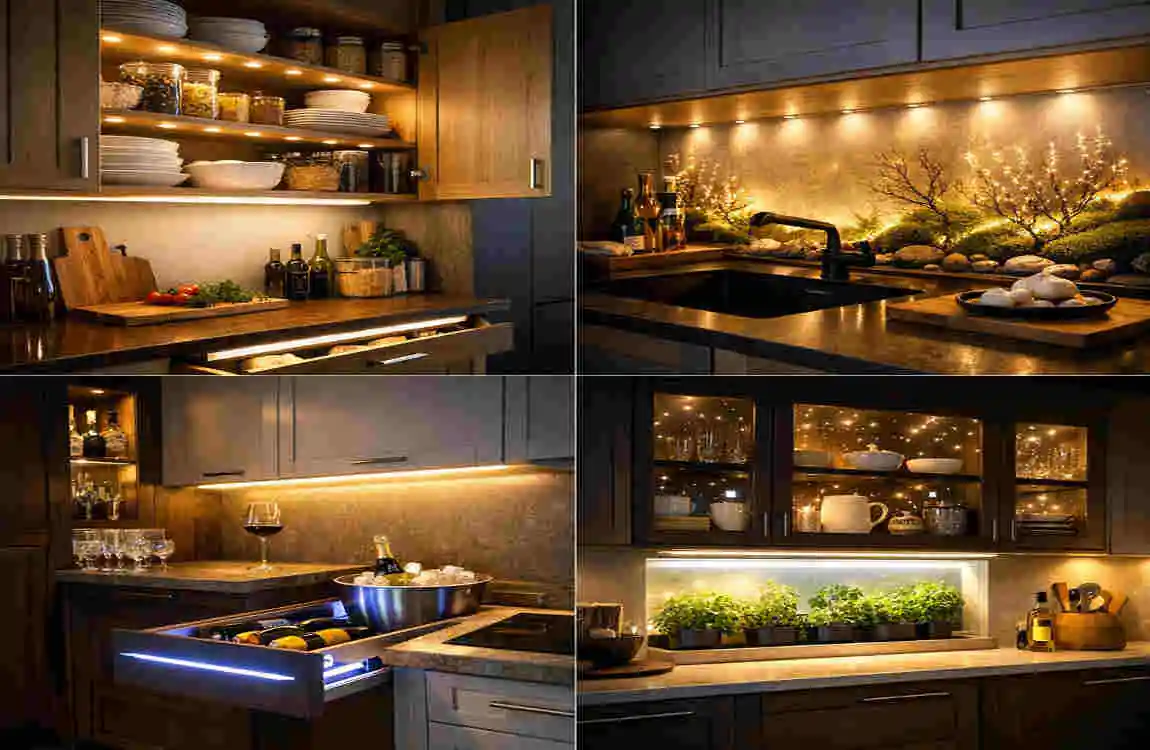
Layer different light sources.
A kitchen looks better when cabinet lights are part of a larger lighting plan. You can combine under-cabinet lights with ceiling, pendant, or recessed lighting.
This makes the room feel more balanced and prevents it from looking flat.
Add toe-kick lighting
Toe-kick lighting goes near the bottom of the cabinets and creates a floating effect. It adds a nice modern touch, especially at night.
It also works as a subtle night light if you move through the kitchen after dark.
Use motion sensors
Motion-sensor cabinet lights are convenient in busy kitchens. They turn on when you need them and off when you do not.
This is a practical choice for inside-cabinet lighting or areas where you often reach for items quickly.
Highlight backsplashes
If you have a decorative backsplash, the right lighting can make it stand out. A well-placed light can bring out the texture, colour, or pattern of the wall behind the counter.
This is a smart way to make the kitchen feel more custom without changing the whole room.
Use dimmers for flexibility.
Dimming controls are very helpful. You may want bright light while cooking and softer light later in the evening.
This makes the kitchen more flexible and more comfortable for different activities.
Kitchen Cabinet Light Placement and Installation Tips
Plan lighting early
The best time to plan cabinet lighting is before the cabinets are installed or before a remodel starts. That gives you more control over placement and wiring.
It is much easier to plan early than to fix poor placement later.
Place lights toward the front
For under-cabinet lighting, placing the light closer to the front edge usually gives better countertop coverage. It helps reduce shadows from your body while working.
If the light is too far back, it may not shine where you need it most.
Hide the wires
A clean kitchen looks better when wires are hidden. You can often route them through cabinet spaces or use cable channels.
This keeps the lighting design neat and modern.
Keep switches easy to reach
Make sure you can turn the lights on and off without trouble. Good placement makes the lights easier to use every day.
Consider professional installation
Hardwired lights often need professional help. If you are dealing with electrical work, it is safer to hire someone trained for the job.
Avoid heat and moisture problems.
Kitchen areas can get warm and damp, so lights should be installed in safe locations. Keep electrical parts away from water and heat sources.
Test before final installation
Always test the brightness and shadow pattern before committing. A light may look fine on paper but feel wrong once installed.
A short test can save you from disappointment later.
Common Kitchen Cabinet Lighting Mistakes to Avoid
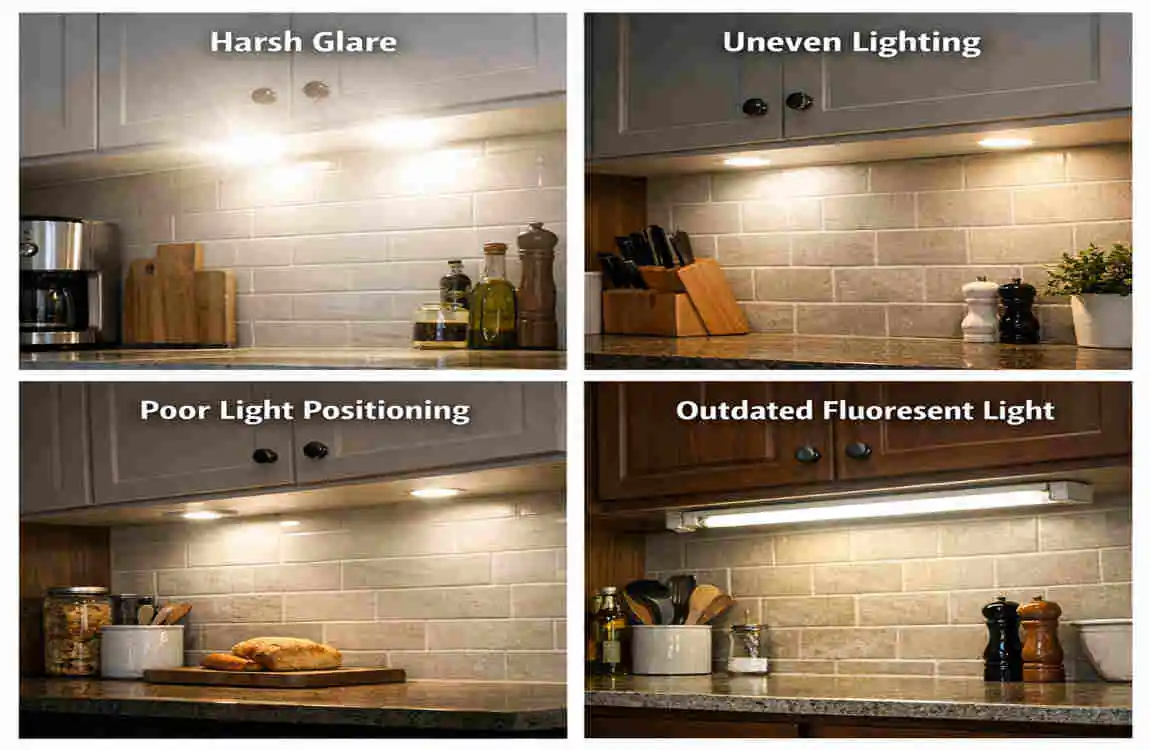
Choosing the wrong brightness
Lighting that is too strong can feel harsh. Lighting that is too weak can make the kitchen hard to use.
Picking the wrong colour temperature
A very cool light in a warm kitchen may feel out of place. A very warm light in a modern white kitchen may look too yellow.
Creating glare on countertops
If the light is pointed poorly, it can reflect off shiny surfaces and cause discomfort.
Leaving wires visible
Visible wires can make even a nice lighting setup look unfinished.
Mixing too many styles
Too many different fixture designs can make the kitchen feel messy. Try to keep the look coordinated.
Ignoring dimming options
If you cannot adjust the brightness, the kitchen may only feel right for one type of use.
Forgetting about cabinets and appliances
Lighting should work with cabinet handles, doors, and appliance placement. Poor planning can cause shadows or blocked light.
Choosing hard-to-maintain fixtures
If a light is too difficult to clean or replace, it may become frustrating later.
FAQs About Kitchen Cabinet Light Design
What is the best light for kitchen cabinets?
LED strip lights are often the best choice because they provide even light, remain slim, and fit well in modern kitchens.
What colour light is best for kitchen cabinets?
Warm or neutral white usually works best. The right choice depends on the room’s style and the materials used.
Are LED lights good for kitchen cabinets?
Yes. They are energy-efficient, long-lasting, compact, and available in many styles.
Should cabinet lights point toward the wall or countertop?
For under-cabinet lighting, pointing the light toward the countertop usually gives better task lighting.
Can I install cabinet lights without wiring?
Yes. Battery-powered or rechargeable lights are available, and they can be a good choice when hardwiring is not practical.
Are under-cabinet lights worth it?
Yes, they usually are. They improve visibility and also make the kitchen look more finished.
Can cabinet lights be dimmed?
Many modern cabinet lighting systems can be dimmed, especially LED models.
How do I hide cabinet light wires?
Wires can often be tucked into cabinet spaces or hidden with cable channels, depending on the system.
| Light Design | Best For | Main Benefit |
|---|---|---|
| Under-Cabinet LED Strips | Countertops | Bright, even task lighting |
| Puck Lights | Small cabinet areas | Compact and stylish |
| Recessed Cabinet Lights | Modern kitchens | Clean, seamless appearance |
| LED Bar Lights | Long cabinets | Wide and consistent illumination |
| Motion-Sensor Lights | Smart kitchens | Automatic hands-free lighting |
| Warm White LEDs | Cozy interiors | Creates a welcoming atmosphere |
| Color-Changing LEDs | Contemporary kitchens | Adds customizable ambiance |
| Inside-Cabinet Lights | Glass or display cabinets | Highlights dishes and décor |